


Understand what your hormones belly fat results really mean
See your biomarkers in context with a comprehensive panel.
- CLIA-certified labs
- HIPAA compliant
- Personalized health protocol
You've lost weight everywhere else, but the lower belly won't flatten. Crunches haven't helped. Neither has cutting calories further. In women, lower belly fat is often driven by hormonal factors that have nothing to do with how many sit-ups you do.
What causes a lower belly pooch in women
A lower belly pooch in women usually comes from hormones (estrogen, insulin, and cortisol), genetics, diastasis recti, weak core muscles, bloating, or loose skin after pregnancy.
Fat doesn't accumulate randomly. Your body stores it in specific depots based on hormonal signals, metabolic state, and genetic programming. In women, the lower belly is a preferential storage site for subcutaneous fat, the layer that sits just beneath the skin. This is distinct from visceral fat, which wraps around internal organs deeper in the abdomen. Both types respond to different hormonal cues, but subcutaneous fat in the lower abdomen is particularly sensitive to estrogen, insulin, and cortisol.
How hormonal shifts affect body composition
Estrogen and fat redistribution
Estrogen directs fat storage toward the hips and thighs in premenopausal women. As estrogen declines during perimenopause and menopause, this protective pattern breaks down. Fat shifts from peripheral sites to the abdomen, increasing both subcutaneous and visceral deposits. A low-estrogen belly looks like a thicker waist and a fuller midsection, with less fat on the hips and thighs than before: a move from a pear shape toward an apple shape. This redistribution isn't just cosmetic. Visceral fat is metabolically active, releasing inflammatory cytokines and free fatty acids that impair insulin sensitivity and increase cardiovascular risk.
Insulin resistance and metabolic dysfunction
Insulin resistance creates a vicious cycle. When cells become less responsive to insulin, the pancreas compensates by producing more. Elevated insulin promotes fat storage, particularly in the abdomen, while simultaneously blocking fat breakdown. Women with polycystic ovary syndrome (PCOS) often experience this pattern early. Elevated androgens and insulin resistance drive abdominal fat accumulation, creating an apple-shaped body composition rather than the typical pear shape seen in women with balanced hormones.
Cortisol and stress-related fat gain
Chronic stress elevates cortisol, which activates enzymes in abdominal fat cells that promote fat storage. Cortisol also increases appetite and cravings for high-calorie foods, creating a feedback loop. Sleep deprivation, chronic dieting, and overtraining all elevate cortisol. This is why aggressive caloric restriction without adequate recovery can backfire, leading to increased abdominal fat despite weight loss elsewhere.
Non-hormonal causes of a lower belly pooch
Not every lower belly pooch is fat. Diastasis recti, the separation of the rectus abdominis muscles during pregnancy, causes a visible bulge above or below the belly button and affects 6 in 10 women after childbirth. It can leave your core feeling weak, and the gap usually closes by 8 weeks after birth, helped by pelvic floor and deep stomach muscle exercises.
Bloating can leave the abdomen visibly distended, but unlike fat it usually goes away after a while. Loose skin after pregnancy or major weight loss is different again: stretched skin cannot regain its normal tone, so it can keep a soft lower belly after the fat is gone.
What influences where your body stores fat
Hormones set the stage, but other factors determine how your body responds. Genetics play a significant role in fat distribution. Some women are genetically predisposed to store more fat in the abdomen, while others store it in the hips and thighs. This is influenced by variations in genes that regulate hormone receptors, fat cell development, and metabolic rate.
Diet composition matters. A diet high in refined carbohydrates and sugar drives insulin spikes, promoting fat storage in the abdomen. Conversely, diets that stabilize blood sugar, such as those emphasizing protein, fiber, and healthy fats, reduce insulin demand and support fat loss. Alcohol also contributes. It's metabolized preferentially by the liver, and excess intake promotes visceral fat accumulation.
Physical activity influences fat distribution through multiple mechanisms. Resistance training builds muscle, which increases metabolic rate and improves insulin sensitivity. Aerobic exercise mobilizes fat for energy, particularly when performed in a fasted state or after glycogen depletion. Age is a non-negotiable factor. As women age, metabolic rate declines, muscle mass decreases, and hormonal shifts favor abdominal fat storage.
Why some women struggle more than others
Genetics and dieting history
Women with a family history of central obesity or metabolic syndrome are more likely to develop a lower belly pooch, even at a healthy body weight. Genetic variants affecting estrogen receptors, insulin signaling, and fat cell development all contribute. Prior dieting history also matters. Repeated cycles of weight loss and regain, often called yo-yo dieting, can alter metabolic rate and fat distribution. Each cycle of restriction followed by regain tends to favor fat storage in the abdomen, particularly visceral fat.
Hormonal and gut health
Women with thyroid dysfunction, PCOS, or adrenal imbalances are more prone to abdominal fat accumulation. Low thyroid hormone slows metabolic rate and impairs fat breakdown. Elevated androgens in PCOS promote central fat storage. Dysbiosis, an imbalance in gut bacteria, is associated with increased visceral fat and insulin resistance. Certain bacterial strains promote fat storage, while others support fat breakdown and metabolic health.
Sleep quality and duration
Poor sleep disrupts hunger hormones, increases cortisol, and impairs insulin sensitivity. Women who consistently sleep less than seven hours per night tend to have more abdominal fat than those who sleep adequately, even when caloric intake is similar.
Test 100+ biomarkers
One blood draw. A full picture of your health, explained in plain language.
Test 100+ biomarkers
One blood draw. A full picture of your health, explained in plain language.
Turning insight into strategy
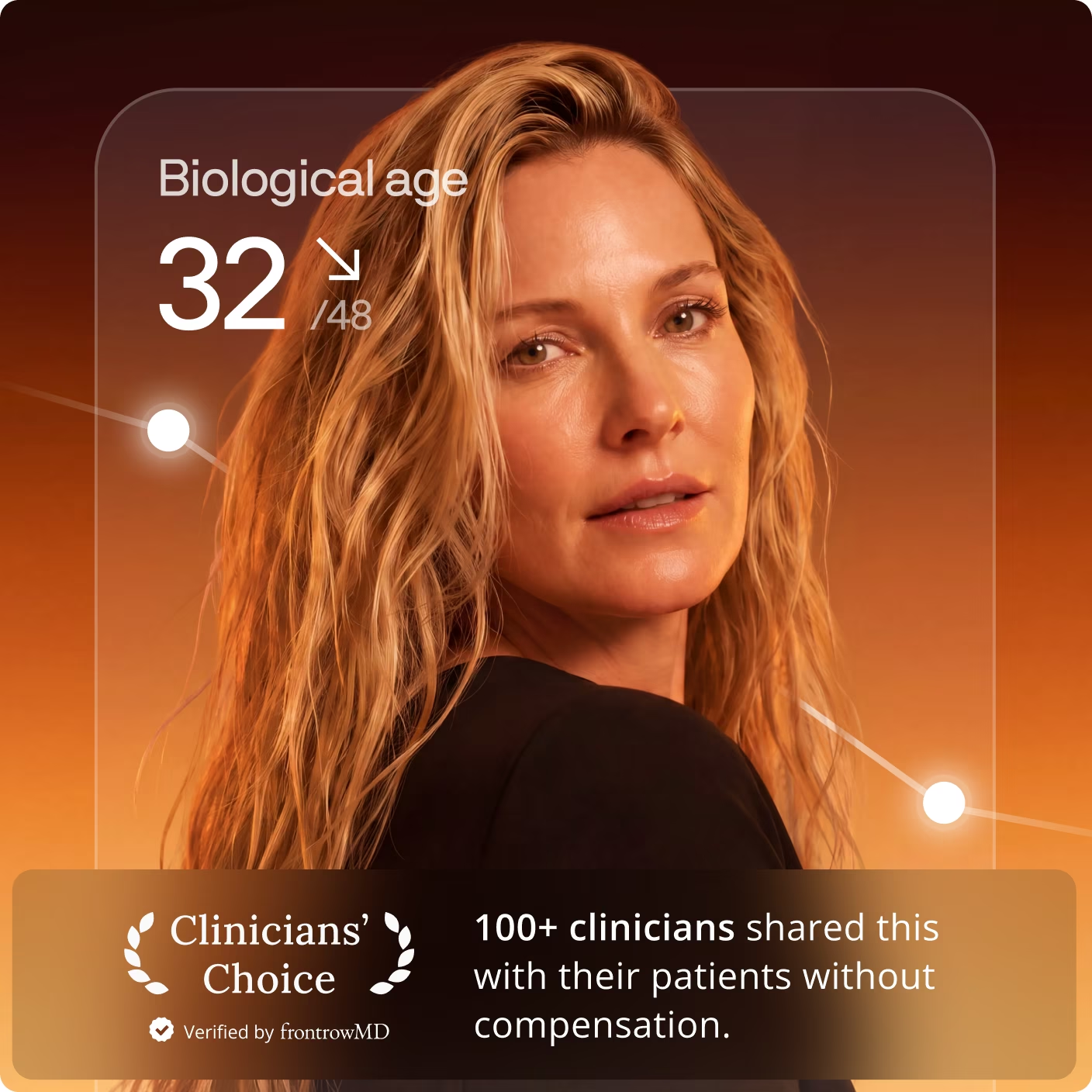
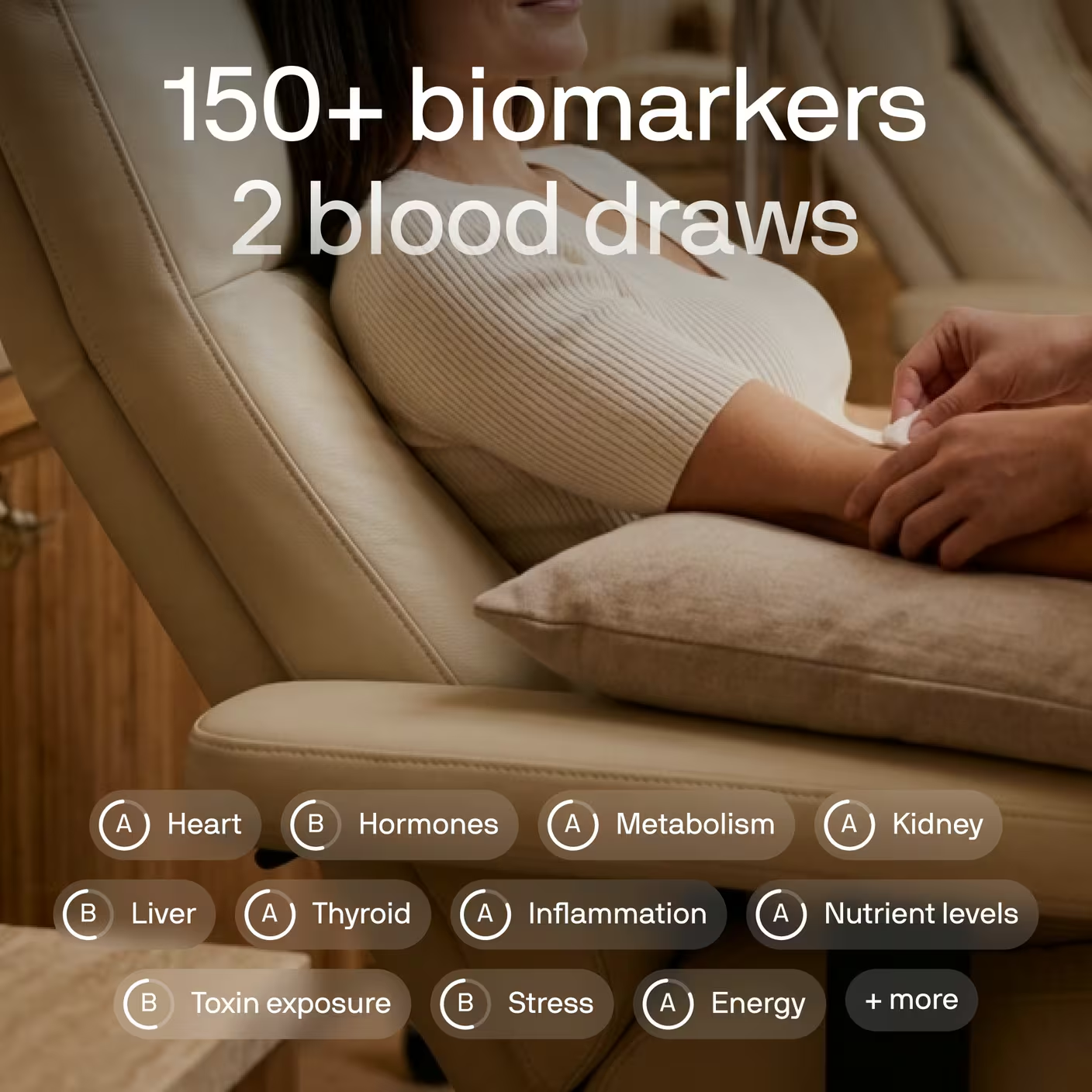
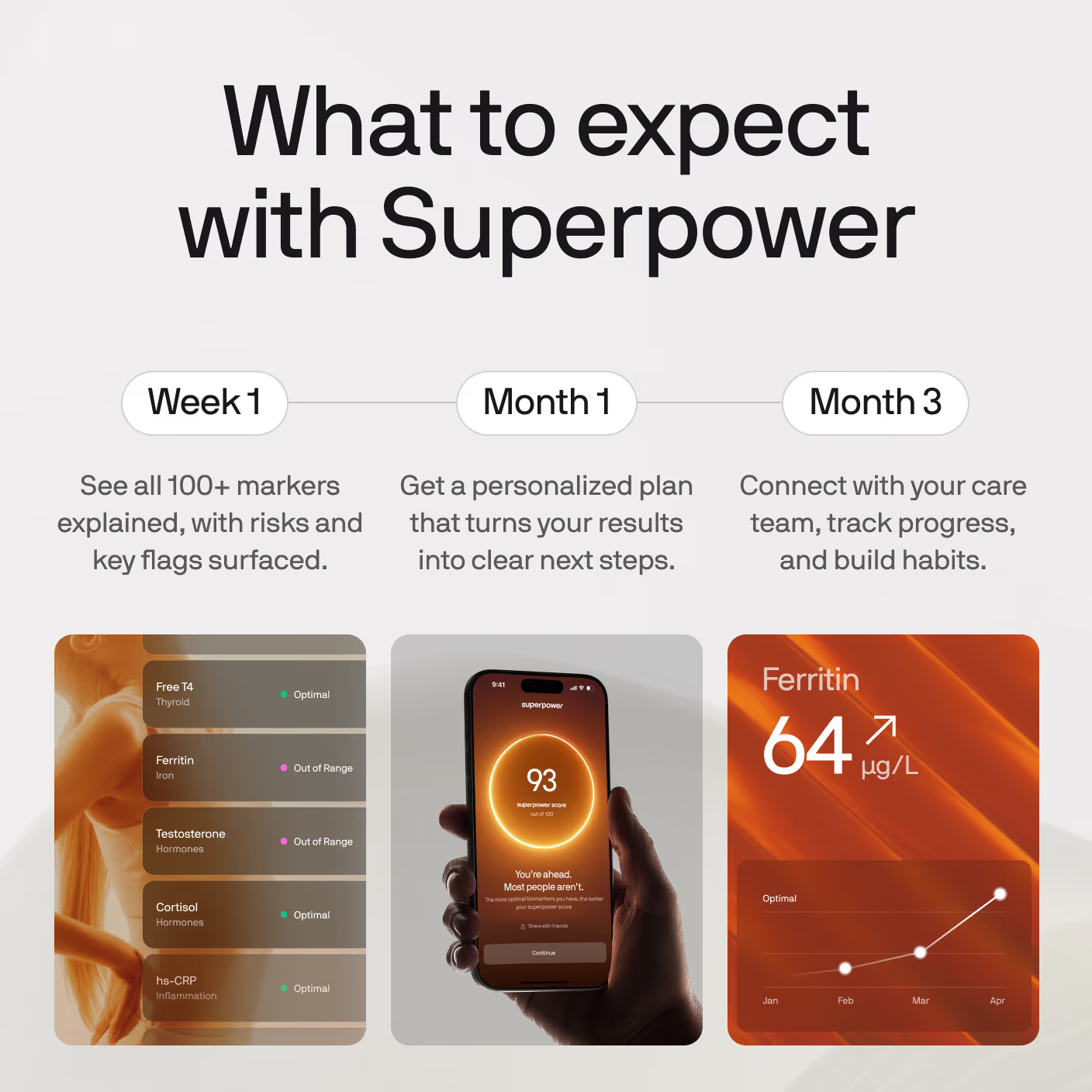
Biomarkers show which of these drivers applies to you. Fasting insulin, hemoglobin A1c, and the triglyceride-glucose index reveal insulin sensitivity and metabolic health. Cortisol levels, particularly when measured in the context of stress and sleep, show whether chronic stress is driving fat storage. Estradiol and testosterone levels help clarify hormonal balance and fat distribution patterns. Adiponectin and leptin show how your fat tissue is functioning: adiponectin is protective and improves insulin sensitivity, while leptin resistance drives hunger and fat storage.
Frequently Asked Questions
References
- Kodoth V, Scaccia S, Aggarwal B (2022). Adverse changes in body composition during the menopausal transition and relation to cardiovascular risk: A contemporary review. *Women's Health Reports*, *3*(1), 573-581. https://doi.org/10.1089/whr.2021.0119
- Escobar-Morreale HF, San Millán JL (2007). Abdominal adiposity and the polycystic ovary syndrome. *Trends in Endocrinology and Metabolism*, *18*(7), 266-272. https://doi.org/10.1016/j.tem.2007.07.003
- Lengton R, Schoenmakers M, Penninx BWJH, Boon MR, van Rossum EFC (2025). Glucocorticoids and HPA axis regulation in the stress-obesity connection: A comprehensive overview of biological, physiological and behavioural dimensions. *Clinical Obesity*, *15*(2), e12725. https://doi.org/10.1111/cob.12725
- Kohanmoo A, Akhlaghi M, Sasani N, Nouripour F, Lombardo C, Kazemi A (2024). Short sleep duration is associated with higher risk of central obesity in adults: A systematic review and meta-analysis of prospective cohort studies. *Obesity Science & Practice*, *10*(3), e772. https://doi.org/10.1002/osp4.772
- Mullur R, Liu YY, Brent GA (2014). Thyroid hormone regulation of metabolism. *Physiological Reviews*, *94*(2), 355-382. https://doi.org/10.1152/physrev.00030.2013
- Cleveland Clinic. (n.d.). *Diastasis Recti (Abdominal Separation): Causes & Treatment*. https://my.clevelandclinic.org/health/diseases/22346-diastasis-recti
- NHS. (n.d.). *Your post-pregnancy body*. https://www.nhs.uk/baby/support-and-services/your-post-pregnancy-body/
- Cleveland Clinic. (n.d.). *Bloating: What It Is, Causes & When To Be Concerned*. https://my.clevelandclinic.org/health/symptoms/21740-bloated-stomach
- MedlinePlus. (n.d.). *Abdominal wall surgery: MedlinePlus Medical Encyclopedia*. https://medlineplus.gov/ency/article/002978.htm



















 Heart & Vascular Health
 Metabolic Health
 Energy
 Liver Health
 Kidney
 Sex Hormones
 Thyroid Health
 Nutrients
 Immune System
 Inflammation