


Understand what your general health testing results really mean
See your biomarkers in context with a comprehensive panel.
- CLIA-certified labs
- HIPAA compliant
- Personalized health protocol
What comprehensive nutrition panel actually measures
A comprehensive nutrition panel examines the vitamins and minerals circulating in your bloodstream at the moment of testing. Think of it as a snapshot of your body's nutritional reserves and how well you're absorbing nutrients from food and supplements.
Most panels include water-soluble vitamins like B12, folate, and vitamin C that your body can't store long-term. They also measure fat-soluble vitamins like vitamin D that accumulate in tissues over time. Key minerals like iron, magnesium, and zinc round out the picture.
The test reveals both clinical deficiencies (levels low enough to be associated with symptoms) and suboptimal ranges that might leave you feeling less than your best. Your red blood cells require adequate B12 and folate to carry oxygen efficiently, and low levels may be associated with fatigue long before you develop full-blown anemia.
Unlike symptoms that can have dozens of causes, nutrient levels give you specific, actionable information. Instead of wondering why you feel tired, you discover your iron stores (ferritin) are running low or your vitamin D isn't supporting optimal immune function.
Normal versus optimal comprehensive nutrition panel levels
Laboratory reference ranges tell you what's "normal" for the general population, but normal doesn't always mean optimal for you. These ranges capture the middle 95% of people tested, including many who aren't at peak health.
Take vitamin D as an example. Labs generally consider 30 ng/mL adequate, though research continues to examine whether higher levels offer additional benefits for bone health and immune function. Your "normal" result might still leave room for improvement.
Individual optimization varies based on your genetics, health goals, and life circumstances. Someone with autoimmune conditions might need higher vitamin D levels than someone with robust immunity. Athletes often require more B vitamins to support energy metabolism than sedentary individuals.
Tracking your personal trends matters more than comparing yourself to population averages. Your optimal B12 level might be 600 pg/mL while your partner thrives at 400 pg/mL. Pay attention to how you feel at different levels within the healthy range.
What high comprehensive nutrition panel levels can mean
Elevated nutrient levels usually signal supplementation, though sometimes they reveal absorption or metabolism issues. Water-soluble vitamins like B12 and vitamin C rarely reach toxic levels since your kidneys excrete excess amounts, but consistently high readings suggest you're taking more than your body uses.
Fat-soluble vitamins (A, D, E, K) can accumulate to problematic levels since they're stored in tissues rather than excreted. Very high vitamin D levels above 100 ng/mL are associated with hypercalcemia — elevated blood calcium that can affect kidney and cardiovascular function — while excessive vitamin A intake is linked to liver toxicity.
High iron levels deserve particular attention. While iron supplementation can lead to elevations, genetic conditions like hemochromatosis are linked to progressive iron accumulation that damages organs over time. High ferritin levels may also indicate inflammation or metabolic liver disease rather than iron overload.
Some minerals compete for absorption, so high levels of one might suppress another. Excess zinc supplementation can interfere with copper absorption — a well-documented interaction in mineral homeostasis. Your care team can help determine whether high levels reflect appropriate supplementation or need adjustment.
What low comprehensive nutrition panel levels can mean
Low nutrient levels point to insufficient intake, poor absorption, or increased demand. Dietary restrictions, digestive conditions, and certain medications commonly create nutritional gaps that show up in testing.
B12 deficiency is significantly more common in people following plant-based diets since this vitamin comes primarily from animal products. Meanwhile, conditions like celiac disease or inflammatory bowel disease can impair nutrient absorption even when dietary intake looks adequate on paper.
Certain life stages increase nutritional demands. Pregnancy requires extra folate and iron, while aging often reduces stomach acid production, making B12 absorption more difficult. Athletes burn through B vitamins faster during intense training periods.
Medications can deplete specific nutrients. Proton pump inhibitors (PPIs) for acid reflux reduce B12 absorption, while metformin for diabetes is associated with lower B12 levels. If you take medications regularly, discuss potential nutritional impacts with your care team.
How comprehensive nutrition panel is tested
Most comprehensive nutrition panels require a simple blood draw from your arm, similar to routine lab work. Some nutrients like vitamin D and B12 use serum (the liquid portion of blood), while others like magnesium might be measured in red blood cells for better accuracy.
Fasting requirements depend on which nutrients are included. Standalone vitamin panels rarely require fasting, but panels combined with glucose or lipid testing might need 8-12 hours without food. Check specific instructions when scheduling your test.
Timing affects certain results. B vitamin levels can fluctuate based on recent supplement intake, so some practitioners recommend stopping supplements for 3-7 days before testing to get baseline levels. Others prefer testing while supplementing to see how well your regimen is working.
Retest every 3-6 months when actively addressing deficiencies, then annually for maintenance once levels optimize. This timeline lets you track whether dietary changes or supplements are moving numbers in the right direction without over-testing.
What can change comprehensive nutrition panel
Diet changes show up in nutritional testing within weeks to months, depending on the nutrient. Water-soluble vitamins like B12 and folate respond quickly to supplementation or dietary improvements, while fat-soluble vitamins change more slowly as tissue stores build or deplete.
Digestive health significantly impacts nutrient absorption. Addressing gut inflammation, balancing stomach acid levels, or healing intestinal permeability can improve multiple nutrient levels simultaneously. Probiotic supplementation might enhance B vitamin production by beneficial bacteria.
Stress management affects nutritional status both directly and indirectly. Magnesium deficiency is closely linked to metabolic stress responses, and poor dietary choices during high-stress periods can compound nutritional gaps. Sleep quality influences growth hormone production, which affects how efficiently your body uses nutrients.
Regular exercise increases nutritional demands but also improves absorption and utilization. Moderate activity enhances circulation and cellular uptake, while excessive training without adequate nutrition can deplete reserves. Balance training intensity with nutritional support.
Test 150+ biomarkers
Two blood draws. A full picture of your health, explained in plain language.
Test 150+ biomarkers
Two blood draws. A full picture of your health, explained in plain language.
Connecting comprehensive nutrition panel to related biomarkers
Nutritional biomarkers rarely exist in isolation. Low B12 often accompanies elevated homocysteine, a marker associated with increased cardiovascular risk. Correcting B12 deficiency with supplementation reduces homocysteine levels, helping bring this marker back into a healthier range.
Iron status connects to multiple markers. Low ferritin (iron storage) often coincides with low hemoglobin and elevated total iron-binding capacity, painting a complete picture of iron deficiency anemia. Checking all related markers prevents missing subtle patterns.
Vitamin D levels influence parathyroid hormone (PTH) — low vitamin D triggers elevated PTH as your body tries to maintain calcium balance, which can affect bone health over time.
Magnesium deficiency is associated with impaired glucose metabolism and elevated blood pressure. If your comprehensive metabolic panel shows elevated glucose or your cardiovascular markers look suboptimal, checking magnesium status might reveal a correctable underlying factor.
Why testing comprehensive nutrition panel is worth it
Research suggests nutritional deficiencies often develop gradually with subtle symptoms that mimic other conditions. Fatigue, widespread pain, and cognitive disturbances may point to nutrient gaps that remain hidden without testing. Comprehensive nutrition panels can help identify these issues before they progress to serious health problems. Discuss with your care team how to interpret and act on your results.
Testing eliminates the guesswork around supplementation. Instead of taking random vitamins hoping they help, you discover exactly which nutrients your body needs. This targeted approach saves money and prevents potential interactions from unnecessary supplements.
Many people assume a "healthy" diet automatically provides all necessary nutrients, but modern food systems, soil depletion, and individual variation create gaps even in well-planned diets. Even well-planned vegan diets are commonly low in B12, zinc, calcium, and selenium. Testing confirms whether your nutritional strategy is working or needs adjustment.
Early detection and correction of nutritional deficiencies may help reduce the risk of long-term complications. B12 deficiency can cause irreversible nerve damage if left untreated, while correcting deficiency early reverses symptoms in many cases. Regular monitoring ensures you catch and address issues promptly. Discuss with your care team about appropriate follow-up and treatment options.
Get your complete nutritional picture
Understanding your nutritional status gives you powerful insight into your health, but incomplete testing leaves gaps in the story. Your comprehensive nutrition panel works best alongside other health markers that reveal how nutrients interact with your metabolism, hormones, and overall wellbeing.
You'll see how your nutritional status connects to energy metabolism, immune function, and cardiovascular health in one integrated report.
Order your Baseline Blood Panel today and discover the complete picture of your health, including the nutritional foundations that support optimal wellbeing.
Frequently Asked Questions
References
- Mesgarankarimi A, Rezapour M, Tabrizi N (2025). A long-standing undiagnosed case of vitamin B12 deficiency: a case report. *Journal of medical case reports*, *19*(1), 151. https://doi.org/10.1186/s13256-025-05149-7
- Belin RJ, He K (2007). Magnesium physiology and pathogenic mechanisms that contribute to the development of the metabolic syndrome. *Magnesium research*, *20*(2), 107-29. https://pubmed.ncbi.nlm.nih.gov/18062585/
- Levita J, Wilar G, Wahyuni I, Bawono LC, Ramadaini T, Rohani R, Diantini A (2023). Clinical Toxicology of Vitamin D in Pediatrics: A Review and Case Reports. *Toxics*, *11*(7). https://doi.org/10.3390/toxics11070642
- Nollevaux MC, Guiot Y, Horsmans Y, Leclercq I, Rahier J, Geubel AP, Sempoux C (2006). Hypervitaminosis A-induced liver fibrosis: stellate cell activation and daily dose consumption. *Liver international : official journal of the International Association for the Study of the Liver*, *26*(2), 182-6. https://doi.org/10.1111/j.1478-3231.2005.01207.x
- Srinivasamurthy P, Mehta KJ (2026). Comparing the types of haemochromatosis- from genetics to clinics. *European journal of human genetics : EJHG*. https://doi.org/10.1038/s41431-026-02084-z
- Melas N, Stål P (2024). [Hyperferritinemia - investigation, diagnosis and treatment]. *Lakartidningen*, *121*. https://pubmed.ncbi.nlm.nih.gov/39411810/
- Kambe T, Yamamoto A, Nakakita K (2026). Elemental selectivity and homeostatic crosstalk among zinc, copper, and manganese in vertebrate cells. *Bioscience, biotechnology, and biochemistry*, *90*(4), 450-456. https://doi.org/10.1093/bbb/zbaf143
- Bakaloudi DR, Halloran A, Rippin HL, Oikonomidou AC, Dardavesis TI, Williams J, Wickramasinghe K, Breda J, Chourdakis M (2021). Intake and adequacy of the vegan diet. A systematic review of the evidence. *Clinical nutrition (Edinburgh, Scotland)*, *40*(5), 3503-3521. https://doi.org/10.1016/j.clnu.2020.11.035
- Davis Jones G, Papageorghiou AT, Shehata H, Divakar H, Van der Beek EM, Senikas V, Konje JC, Kihara AB, Hod M, FIGO Committee on Women's Health and Technology (2026). Artificial intelligence for personalized multiple micronutrient supplementation in maternal health. *International journal of gynaecology and obstetrics: the official organ of the International Federation of Gynaecology and Obstetrics*, *173*(3), 1163-1173. https://doi.org/10.1002/ijgo.70911
- Holt PR (2007). Intestinal malabsorption in the elderly. *Digestive diseases (Basel, Switzerland)*, *25*(2), 144-50. https://doi.org/10.1159/000099479
- Porter KM, Hoey L, Hughes CF, Ward M, Clements M, Strain J, Cunningham C, Casey MC, Tracey F, O'Kane M, Pentieva K, McAnena L, McCarroll K, Laird E, Molloy AM, McNulty H (2021). Associations of atrophic gastritis and proton-pump inhibitor drug use with vitamin B-12 status, and the impact of fortified foods, in older adults. *The American journal of clinical nutrition*, *114*(4), 1286-1294. https://doi.org/10.1093/ajcn/nqab193
- Bhadade R, Dongare N, Harde M, deSouza R, Patel A (2026). To Determine Vitamin B12 Deficiency in Type 2 Diabetes Mellitus Patients on Metformin Therapy. *The Journal of the Association of Physicians of India*, *74*(2), 68-73. https://doi.org/10.59556/japi.74.1371
- Ramirez-Villalobos MD, Monterrubio-Flores E, Marquez-Murillo M, Alcalde-Rabanal J, Shamah-Levy T, Perichart-Perera O, Macias-Morales N, Campos-Nonato I (2025). Vitamin B12 Deficiency, Hyperhomocysteinemia, and Diabetes as Metabolic Determinants of Cardiovascular Risk in Mexican Women. *Nutrients*, *17*(22). https://doi.org/10.3390/nu17223535
- Clements M, Heffernan M, Ward M, Hoey L, Doherty LC, Hack Mendes R, Clarke MM, Hughes CF, Love I, Murphy S, McDermott E, Grehan J, McCann A, McAnena LB, Strain JJ, Brennan L, McNulty H (2022). A 2-Year Randomized Controlled Trial With Low-Dose B-Vitamin Supplementation Shows Benefits on Bone Mineral Density in Adults With Lower B12 Status. *Journal of bone and mineral research : the official journal of the American Society for Bone and Mineral Research*, *37*(12), 2443-2455. https://doi.org/10.1002/jbmr.4709
- Dhanvijay AD, Patidar V, Singh J, Kumar S, Mudgal SK, Varikasuvu SR, Kumar R (2025). Efficacy of daily versus alternate day oral iron supplementation for management of anaemia among general population: a systematic review and meta-analysis. *BMC pharmacology & toxicology*, *26*(1), 152. https://doi.org/10.1186/s40360-025-00984-2
- Max F, Tesař T, Gažová A, Smaha J, Jankovský M, Dudová D, Jackuliak P, Kužma M, Payer J, Kyselovič J (2026). Impact of High Doses of Vitamin D on Specific Metabolic Parameters in Type 2 Diabetes Patients: A Prospective Biomedical Study. *International journal for vitamin and nutrition research. Internationale Zeitschrift fur Vitamin- und Ernahrungsforschung. Journal international de vitaminologie et de nutrition*, *96*(1), 46454. https://doi.org/10.31083/IJVNR46454
- Zhu M, Yu C, Xu Z, Zhang H, Huang H (2024). Subacute combined degeneration of the spinal cord with cerebellar lesions: A case report. *Medicine*, *103*(21), e37605. https://doi.org/10.1097/MD.0000000000037605












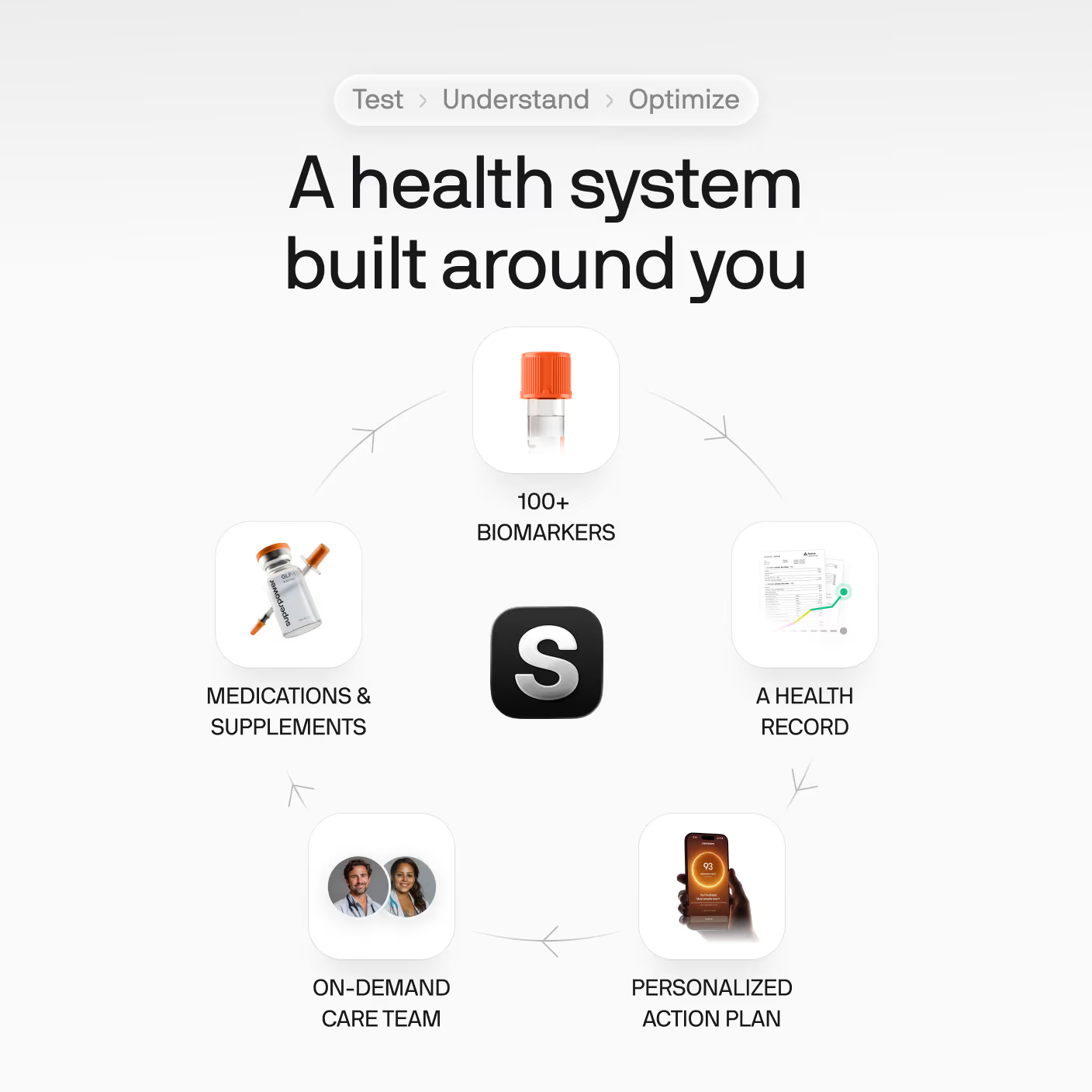
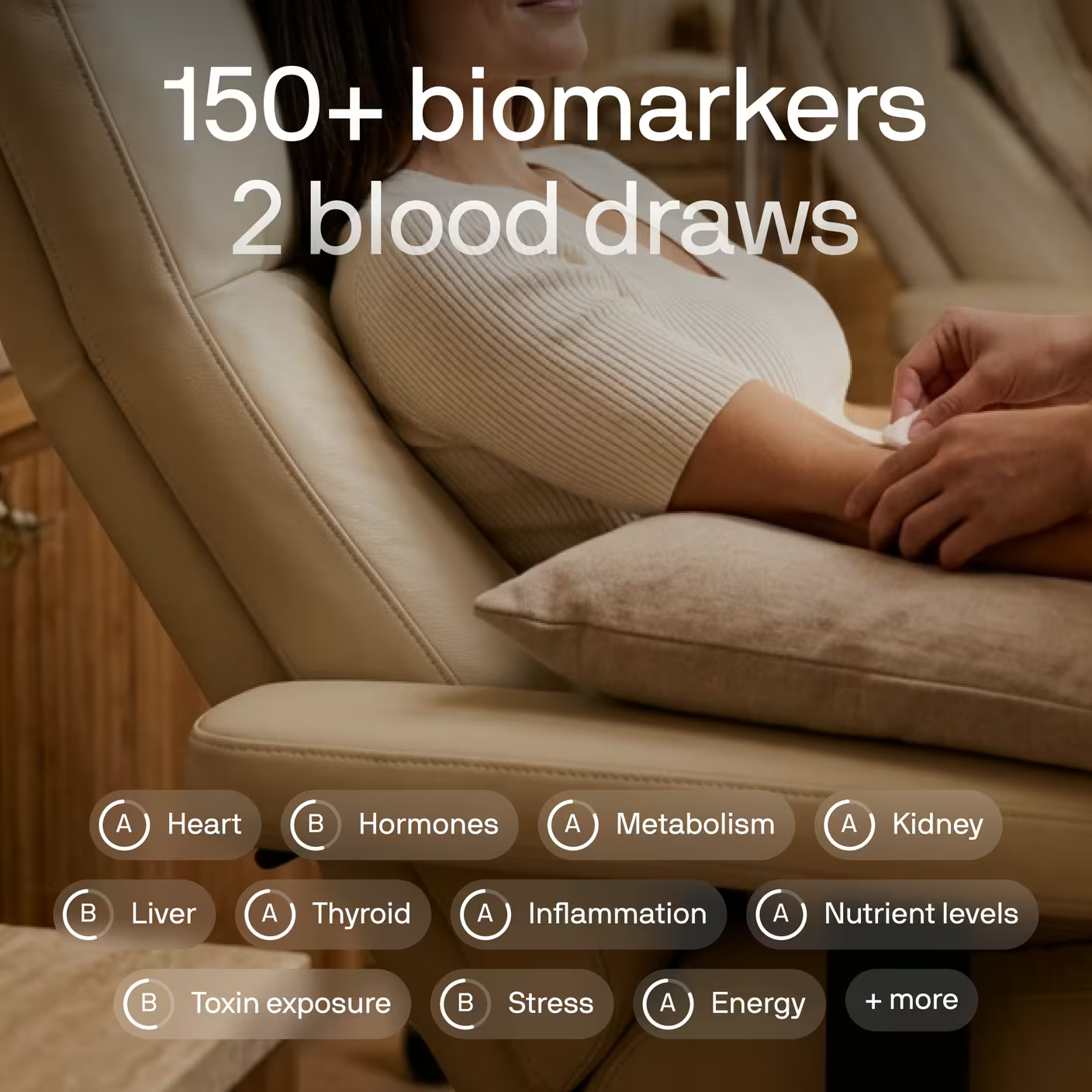
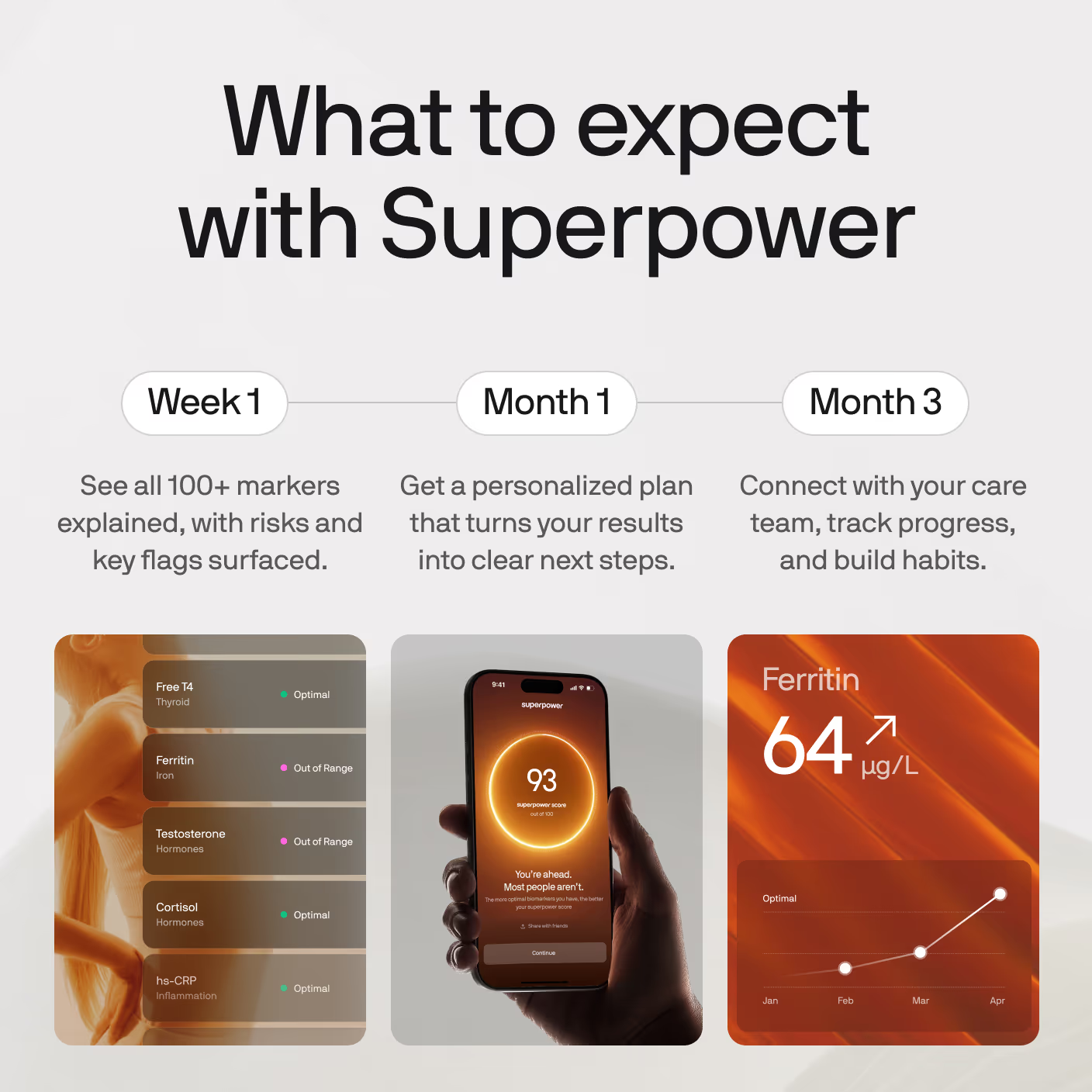











 Heart & Vascular Health
 Metabolic Health
 Energy
 Liver Health
 Kidney
 Sex Hormones
 Thyroid Health
 Nutrients
 Immune System
 Inflammation