
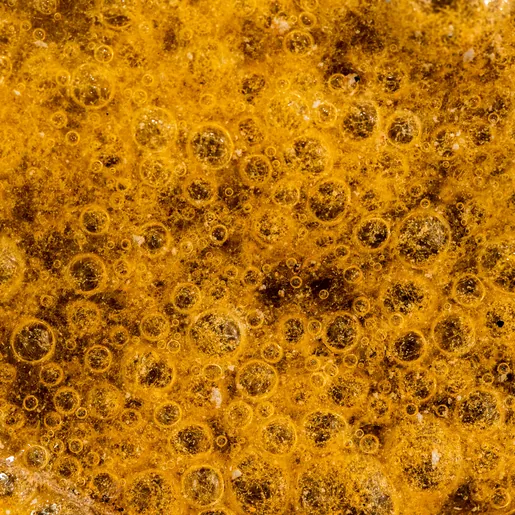

Put mold questions in a wider context
One draw includes 100+ biomarkers, with eosinophils among them.
- CLIA-certified labs
- HIPAA compliant
- Personalized health protocol
How to get tested for mold exposure
To get tested for mold exposure, check two things: your body and your home. A mold exposure test for your body starts with a primary care clinician or an allergist. That clinician begins with your history and an exam, then orders allergy testing if an allergy looks likely.
Where state law lets you order tests, you can order an allergy blood test yourself. Either way, mention water damage at home or work, plus allergies, asthma, or weakened immunity.
Which test fits depends on whether the question is allergy, infection, or the exposure itself.
The medical tests for mold exposure
The standard mold allergy tests are the skin prick test and the specific immunoglobulin E (IgE) blood test, best used together. A skin prick reaction appears within about 15 to 20 minutes. In one study of 168 exposed or symptomatic people, skin prick tests found sensitization in 90, specific IgE in 56.
A mold panel blood test usually checks common molds such as Alternaria, Aspergillus, and Penicillium. Superpower's Respiratory Allergy Panel is a blood test with IgE markers for Alternaria alternata, Aspergillus fumigatus, and Penicillium notatum.
| Mold test | Sample | What it measures | Who usually orders it |
|---|---|---|---|
| Skin prick test for mold | A drop of mold extract pricked into the skin | A raised bump (wheal) within 15 to 20 minutes, a sign of mold sensitization | Allergist |
| Specific IgE blood test for mold | Blood | IgE antibodies made in response to single molds | Clinician or allergist, including when skin testing is not possible |
| Mold IgG antibody test | Blood | IgG antibodies that reflect past mold exposure | Lung specialist, when hypersensitivity pneumonitis (an immune lung disease) is suspected |
| Urine mycotoxin test | Urine | Mold toxins passed in urine | Sold directly to consumers or by some practitioners; not validated for clinical use |
| Fungal infection tests for mold | Lung fluid, tissue, or blood | Signs of a fungal infection such as aspergillosis | Clinician, for people with a weakened immune system or lung disease |
Each test answers a different question, and only some have settled answers.
Mold allergy vs mold toxicity vs fungal infection
Mold exposure raises three possible questions (allergy, fungal infection, or "mold toxicity"), and only the first two have established tests.
Mold has established links to asthma, allergic rhinitis (hay fever), and hypersensitivity pneumonitis. Many newer mold-related illnesses remain largely or completely unproven. For a urine "mold toxicity test," mycotoxin levels that predict disease have not been established. Mold IgG has narrow recognized uses, such as identifying potential exposures in suspected hypersensitivity pneumonitis.
Most people do not get sick from Aspergillus, a common mold, though weakened immunity or lung disease raises infection risk.
Every result still needs reading against symptoms and exposure.
What mold test results can and cannot show
No single mold test result proves that mold is causing your symptoms.
- A positive skin prick or IgE result for mold only shows sensitization, and the IgE amount does not predict severity.
- A negative skin or IgE test does not reliably rule out mold sensitization.
- In one small study, mold IgE appeared in 41% of exposed people versus 17% of unexposed people, while IgG did not differ.
- Raised eosinophils (a type of white blood cell) have many causes, including hay fever, so they cannot identify mold exposure.
Finding where exposure comes from means checking the home.
Get 100+ biomarkers tested in-lab or at home
One blood draw a year. A full picture of your health, explained in plain language.
Get 100+ biomarkers tested in-lab or at home
One blood draw a year. A full picture of your health, explained in plain language.
How to check your home for mold
A careful home mold check for visible growth, water damage, and musty odors is more reliable than air sampling. No health-based standards exist for indoor mold, and short-term spore counts cannot be read against health risk.
Anyone who sees or smells mold can remove it and repair the moisture problem without knowing its type. When mold is visible, sampling is usually unnecessary, though professional surface sampling can confirm a cleanup worked. A negative spore result may miss real exposure, a limit DIY kits share.
Whether anyone needs a personal test depends on their symptoms.
Which mold test fits your situation
The right first mold test depends on your symptoms.
- Stuffy nose, coughing, wheezing, or burning eyes in damp rooms point to an allergist.
- Asthma flaring in damp buildings calls for a clinician, since dampness is linked to asthma flares.
- Weakened immunity or lung disease plus new fever or chest pain needs prompt care, not a home kit.
- Fatigue after water damage starts with a clinician, since mold IgG and mycotoxin tests cannot confirm illness.
- Visible mold without symptoms calls for repairing the moisture first.
Wider blood work looks at the rest of your health.
See your full blood picture with Superpower
Whatever getting tested for mold exposure shows, a comprehensive blood test takes a closer look at the rest of your health. A Superpower membership includes 100+ biomarkers in a single draw. Eosinophils are among them, a nonspecific clue worth reviewing with a clinician. As a home for your health, Superpower tracks those results over time and supports the changes that move them.
It's time to take control of your health. Start your Superpower membership and get your baseline in one draw.
References
- Hurraß J, Nowak D, Heinzow B, Joest M, Stemler J, Wiesmüller GA. Indoor mold—important considerations for medical advice to patients. *Dtsch Arztebl Int*. 2024;121(8):265-271. https://doi.org/10.3238/arztebl.m2024.0018
- Electronic Code of Federal Regulations. 42 CFR § 493.2 — Definitions. Accessed October 16, 2026. https://www.ecfr.gov/current/title-42/chapter-IV/subchapter-G/part-493/subpart-A/section-493.2
- Kespohl S, Maryska S, Bünger J, et al. How to diagnose mould allergy? Comparison of skin prick tests with specific IgE results. *Clin Exp Allergy*. 2016;46(7):981-991. https://doi.org/10.1111/cea.12733
- MedlinePlus. Allergy skin test. National Library of Medicine. Updated June 26, 2024. Accessed October 16, 2026. https://medlineplus.gov/lab-tests/allergy-skin-test/
- Hurraß J, Heinzow B, Aurbach U, et al. Medical diagnostics for indoor mold exposure. *Int J Hyg Environ Health*. 2017;220(2 Pt B):305-328. https://doi.org/10.1016/j.ijheh.2016.11.012
- Bush RK, Portnoy JM, Saxon A, Terr AI, Wood RA. The medical effects of mold exposure. *J Allergy Clin Immunol*. 2006;117(2):326-333. https://doi.org/10.1016/j.jaci.2005.12.001
- Kawamoto M, Page E. Notes from the field: use of unvalidated urine mycotoxin tests for the clinical diagnosis of illness—United States, 2014. *MMWR Morb Mortal Wkly Rep*. 2015;64(6):157-158.
- Raghu G, Remy-Jardin M, Ryerson CJ, et al. Diagnosis of hypersensitivity pneumonitis in adults: an official ATS/JRS/ALAT clinical practice guideline. *Am J Respir Crit Care Med*. 2020;202(3):e36-e69. https://doi.org/10.1164/rccm.202005-2032ST
- Centers for Disease Control and Prevention. Aspergillosis basics. Updated October 1, 2026. Accessed October 16, 2026. https://www.cdc.gov/aspergillosis/about/index.html
- MedlinePlus. Allergy blood test. National Library of Medicine. Updated November 19, 2024. Accessed October 16, 2026. https://medlineplus.gov/lab-tests/allergy-blood-test/
- Kespohl S, Liebers V, Maryska S, et al. What should be tested in patients with suspected mold exposure? Usefulness of serological markers for the diagnosis. *Allergol Select*. 2022;6:118-132. https://doi.org/10.5414/ALX02298E
- MedlinePlus. Eosinophil count - absolute. National Library of Medicine. Reviewed January 28, 2025. Accessed October 16, 2026. https://medlineplus.gov/ency/article/003649.htm
- National Institute for Occupational Safety and Health. Mold, testing, and remediation. Centers for Disease Control and Prevention. Updated February 25, 2025. Accessed October 16, 2026. https://www.cdc.gov/niosh/mold/testing-remediation/index.html
- Centers for Disease Control and Prevention. Mold. Reviewed September 26, 2024. Accessed October 16, 2026. https://www.cdc.gov/mold-health/about/index.html
- US Environmental Protection Agency. Mold testing or sampling. Accessed October 16, 2026. https://www.epa.gov/mold/mold-testing-or-sampling
- Mendell MJ, Mirer AG, Cheung K, Tong M, Douwes J. Respiratory and allergic health effects of dampness, mold, and dampness-related agents: a review of the epidemiologic evidence. *Environ Health Perspect*. 2011;119(6):748-756. https://doi.org/10.1289/ehp.1002410


























 Heart & Vascular Health
 Metabolic Health
 Energy
 Liver Health
 Kidney
 Sex Hormones
 Thyroid Health
 Nutrients
 Immune System
 Inflammation