
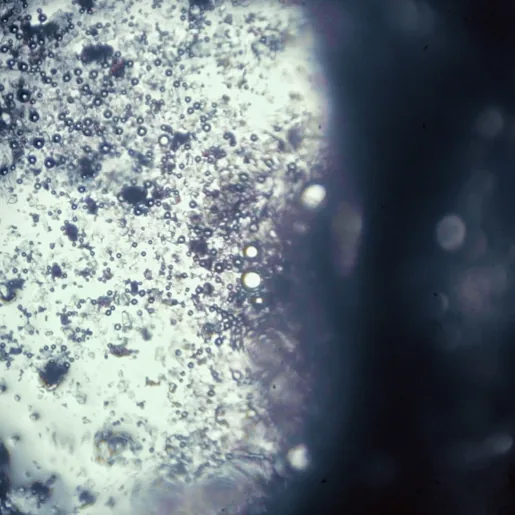

Understand what your environmental toxins results really mean
See your biomarkers in context with a comprehensive panel.
- CLIA-certified labs
- HIPAA compliant
- Personalized health protocol
4-Nonylphenol: An industrial surfactant residue in the body
4‑Nonylphenol (often shortened to nonylphenol or NP) is an alkylphenol, a family of chemicals used to make surfactants called nonylphenol ethoxylates found historically in industrial detergents, textile processing, certain paints and resins, and as adjuvants in some pesticides. NP can also form as a breakdown product of those surfactants. People encounter it through ingestion of contaminated food or water, inhalation of dust or aerosols in indoor spaces, and skin contact with products or treated materials. Laboratories usually measure NP itself in urine, often after converting its conjugated forms to the parent compound, which reflects recent exposure over the prior day or two rather than long‑term body burden.
Why it matters: NP is a recognized endocrine‑active compound with weak estrogenic activity. In laboratory studies, it can interact with estrogen receptors, generate oxidative stress, and influence cell signaling. The body absorbs NP and rapidly conjugates it in the liver for urinary excretion. It is moderately lipophilic, so it persists in the environment and bioaccumulates in aquatic life, but in humans it is thought to clear relatively quickly with ongoing exposure driving levels more than long tissue storage. Human studies link higher NP biomarkers to certain reproductive and developmental endpoints, though findings are mixed and more research is needed. The signal is strong enough that many regions have restricted NP uses to reduce population exposure.
Why NP is worth measuring
Testing turns a vague exposure question into something concrete. Because NP acts on endocrine pathways and is processed through liver and kidney systems, a measured level can help distinguish incidental contact from sustained exposure. That distinction matters when you are sorting out unexplained symptoms related to hormonal balance, when your work involves industrial cleaning, textiles, or agriculture, or when household routines include products more likely to contain legacy surfactants. It is especially relevant during fertility planning and pregnancy, when small hormonal nudges can carry outsized biologic effects.
Reading a 4-nonylphenol result
Most labs report urinary 4‑nonylphenol against population‑based reference ranges, sometimes adjusted for creatinine to account for hydration. Lower values are generally preferable for environmental toxins, and interpretation benefits from knowing what you were doing in the 24–72 hours before collection and from repeat testing when needed.
Relatively lower values typically indicate limited recent exposure and a lower likelihood of short‑term endocrine or hepatic stress from NP. In pregnancy and early childhood, where hormonal signaling is exquisitely timed, keeping exposures low is a widely shared public health goal.
Relatively higher values suggest recent or ongoing exposure. That can place added work on the liver’s conjugation and clearance pathways and, depending on context, could nudge endocrine signaling. If symptoms overlap with NP’s suspected targets, such as menstrual irregularity, changes in semen parameters, or headaches and fatigue, it is a cue to look for exposure sources and confirm with trends rather than drawing conclusions from a single number.
The most useful takeaways emerge when NP results sit next to related biomarkers and real‑world patterns. Over time, that combination distinguishes one‑off peaks from true exposure habits and supports safer, smarter choices in partnership with your clinician.
How sample timing and daily routines move the number
This test typically uses urine, because NP and its conjugated forms are cleared renally. Spot urine is acceptable, and first‑morning collections can improve consistency. Because the biomarker reflects recent exposure, the timing of collection relative to activities matters. For example, measuring soon after intensive cleaning or handling treated textiles can capture a short‑lived rise. Creatinine normalization helps account for hydration, but collecting under similar daily conditions makes trend comparisons more reliable.
A single urinary NP value is a snapshot. Hydration, timing, and assay differences all influence the number. Creatinine correction reduces dilution effects but does not eliminate day‑to‑day biological variability. Labs may quantify different isomer mixes or use different cutoff criteria, which can shift absolute values. Comparing results from the same lab over time is the cleanest way to see change.
On the health side, experimental studies consistently show endocrine activity, while human data are evolving. Associations between NP biomarkers and reproductive or developmental outcomes exist, but they do not prove causation, and effect sizes are often modest. That calls for a balanced interpretation that pairs biomarker levels with exposure context and clinical goals, especially in life stages like pregnancy when extra caution is warranted.
Test 150+ biomarkers
Two blood draws. A full picture of your health, explained in plain language.
Test 150+ biomarkers
Two blood draws. A full picture of your health, explained in plain language.
What to interpret NP alongside
Big picture, NP results are most revealing when viewed alongside other environmental biomarkers, general health indicators, and your lived context. Patterns across multiple endocrine‑active chemicals, plus markers like liver enzymes or thyroid function when clinically indicated, paint a truer portrait than a single NP value. Trends over weeks to months help separate a transient spike after, say, a heavy cleaning day from a persistent pattern that warrants deeper investigation with your clinician.
Where does NP show up in everyday life? Historically, in industrial laundry detergents and cleaners, in some textile processing aids and water‑repellent finishes, in certain resins and coatings, and as a co‑formulant in some pesticide products. NP can migrate into water and bind to indoor dust, which is then inhaled or ingested, especially in settings with frequent cleaning or fabric handling. Food can be a pathway when watersheds are impacted by effluent. Occupations that interact with these materials, like industrial cleaning, textile finishing, and agriculture, tend to see higher exposure potential.
These patterns help explain test results. A one‑time weekend of deep cleaning or a day in a textile warehouse can produce a temporary bump. Repeated contact, even at low levels, can create a steady background signal. Because NP partitions modestly into lipids and is quickly conjugated, sustained levels usually reflect repeated exposures rather than slow release from long‑term storage.
What an NP test can and can't tell you
Use your NP result to guide a focused conversation. Elevated values can prompt a review of potential sources at home or work and whether additional evaluations make sense, such as checking other endocrine‑active exposures or relevant health markers based on your history. Normal‑range results can provide reassurance that recent exposure is limited, while still encouraging attention to big levers like ventilation and product choices if your environment suggests ongoing contact. The aim is not to medicalize everyday life, but to turn data into proportionate, practical steps that fit your health priorities.
Bottom line: 4‑nonylphenol testing offers a clear read on recent exposure, helps differentiate incidental from sustained contact, and gains power when tracked over time and interpreted in context. For many people, that is the difference between guessing and knowing, and it supports calmer, more confident decisions about health and environment.
Frequently Asked Questions
References
- Soares A, Guieysse B, Jefferson B, Cartmell E, Lester JN (2008). Nonylphenol in the environment: a critical review on occurrence, fate, toxicity and treatment in wastewaters. *Environment International*, *34*(7), 1033-1049. https://doi.org/10.1016/j.envint.2008.01.004
- Calafat AM, Kuklenyik Z, Reidy JA, Caudill SP, Ekong J, Needham LL (2005). Urinary concentrations of bisphenol A and 4-nonylphenol in a human reference population. *Environmental Health Perspectives*, *113*(4), 391-395. https://doi.org/10.1289/ehp.7534
- Diamanti-Kandarakis E, Bourguignon JP, Giudice LC, Hauser R, Prins GS, Soto AM, Zoeller RT, Gore AC (2009). Endocrine-disrupting chemicals: an Endocrine Society scientific statement. *Endocrine Reviews*, *30*(4), 293-342. https://doi.org/10.1210/er.2009-0002
- Barr DB, Wilder LC, Caudill SP, Gonzalez AJ, Needham LL, Pirkle JL (2005). Urinary creatinine concentrations in the U.S. population: implications for urinary biologic monitoring measurements. *Environmental Health Perspectives*, *113*(2), 192-200. https://doi.org/10.1289/ehp.7337
- Centers for Disease Control and Prevention. (n.d.). *National Report on Human Exposure to Environmental Chemicals*. https://www.cdc.gov/biomonitoring/resources/national-exposure-report.html




















 Heart & Vascular Health
 Metabolic Health
 Energy
 Liver Health
 Kidney
 Sex Hormones
 Thyroid Health
 Nutrients
 Immune System
 Inflammation