


Understand what your brain mood hormones supplements results really mean
See your biomarkers in context with a comprehensive panel.
- CLIA-certified labs
- HIPAA compliant
- Personalized health protocol
What supplements actually do to cortisol levels
Ashwagandha has the strongest evidence for lowering baseline cortisol, at 300 to 600 mg a day of a standardized extract. Phosphatidylserine, at 600 to 800 mg a day, blunts the cortisol spikes exercise triggers.
Cortisol is your body's primary stress hormone, released by the adrenal glands in response to physical or psychological stress. It's regulated by the hypothalamic-pituitary-adrenal (HPA) axis, a feedback loop that adjusts cortisol output based on what your body needs. When cortisol stays elevated for too long due to chronic stress, sleep deprivation, or metabolic dysfunction, it can drive weight gain, blood sugar dysregulation, immune suppression, and mood changes.
Supplements that lower cortisol work through different mechanisms. Some modulate the HPA axis directly, reducing the signal to produce cortisol. Others buffer the physiological stress response by supporting neurotransmitter balance or cellular energy production. A few work by blunting cortisol spikes triggered by acute stressors like exercise or mental tasks. The key distinction is whether a supplement lowers baseline cortisol, reduces stress-induced spikes, or both.
The evidence varies widely by compound, dose, and study design. Most clinical trials use specific doses and durations, and deviating from these can reduce effectiveness or increase the risk of side effects.
| Supplement | Cortisol evidence | Dose studied | Baseline vs acute spike | Timing |
|---|---|---|---|---|
| Ashwagandha | Strongest; 27.9% drop from baseline in 1 RCT, confirmed by a 2024 meta-analysis | 300-600 mg/day of standardized extract (5% withanolides) for 8-12 weeks | Lowers baseline cortisol | Split into 2 doses or once in the evening, with a meal containing fat |
| Phosphatidylserine | Blunts exercise-induced spikes; 35% lower cortisol area under the curve at 600 mg/day | 600-800 mg/day | Acute spikes, not baseline | 30-60 minutes before a known stressor, with food |
| Rhodiola rosea | Mixed; eases stress and fatigue, but cortisol often unchanged | 200-600 mg/day of standardized extract (3% rosavins, 1% salidroside) | Neither shown consistently | Morning or early afternoon |
| Magnesium | Indirect; trials have not consistently shown a cortisol drop | Not established for cortisol | Neither shown consistently | No cortisol-specific timing |
| L-theanine | Minimal direct effect on cortisol | Not established for cortisol | Neither shown consistently | No cortisol-specific timing |
| Omega-3 (fish oil) | Mixed; 19% lower cortisol during a lab stressor in 1 RCT, no change in another | 2.5 g/day for 4 months | Stress-induced cortisol; baseline not shown | No cortisol-specific timing |
Ashwagandha (Withania somnifera)
Ashwagandha is an adaptogenic herb that modulates the HPA axis by reducing the overactivation of stress pathways. It contains bioactive compounds called withanolides, which appear to influence cortisol secretion at the level of the adrenal glands and the brain. Multiple randomized controlled trials and a 2024 systematic review and meta-analysis confirm that ashwagandha supplementation significantly reduces serum cortisol, stress, and anxiety compared to placebo. One RCT found a 27.9 percent reduction from baseline at 600 mg per day over 60 days.
A separate crossover trial in aging overweight men found an 18 percent greater increase in DHEA-S compared to placebo, though that same study found no significant between-group differences in cortisol. Adverse effects in clinical trials were generally mild, including occasional digestive upset, though rare but serious cases of liver injury have been reported in post-marketing surveillance.
Ashwagandha is fat-soluble, so taking it with a meal that contains fat improves absorption. Most trials show effects after 8 to 12 weeks of consistent use, though some people notice changes in stress and sleep within 2 to 4 weeks. Taking it in the evening may support better sleep by reducing nighttime cortisol, which should naturally be low.
Phosphatidylserine
Phosphatidylserine is a phospholipid found in cell membranes, particularly concentrated in brain tissue. It appears to dampen cortisol release in response to acute stress by modulating the HPA axis at the pituitary level. A study in healthy men found that 600 mg per day reduced exercise-induced cortisol area under the curve by 35 percent compared to placebo. An earlier trial found that 800 mg per day for 10 days significantly blunted both ACTH and cortisol responses to exercise. Another trial showed improved mood and reduced perceived stress during mental tasks.
Because phosphatidylserine blunts acute cortisol spikes, it's most useful when timed around predictable stress. Taking it chronically at baseline may not provide the same benefit as strategic use before stress exposure. It's also fat-soluble, so absorption improves when taken with food.
Rhodiola rosea
Rhodiola is another adaptogen with a long history in traditional medicine for stress resilience. It contains rosavins and salidroside, compounds thought to influence serotonin and dopamine pathways, which indirectly affect cortisol regulation. A 2022 systematic review found that rhodiola improved symptoms of stress, fatigue, and burnout in several trials, but direct cortisol measurements were often not included or showed no significant change. One trial on burnout patients found improved attention and reduced fatigue, but cortisol levels were not significantly different from placebo. Rhodiola may work more through neurotransmitter modulation than direct HPA axis suppression.
Rhodiola has mild stimulant properties, so taking it late in the day may interfere with sleep in some people. Effects on fatigue and mental clarity may appear within 1 to 2 weeks, but stress-related benefits take longer.
Magnesium and L-theanine
Magnesium and L-theanine are often marketed for stress reduction, but their effects on cortisol are indirect. Magnesium supports the nervous system and may reduce stress-related symptoms. Tea's calming effect comes from L-theanine, an amino acid that promotes relaxation by increasing GABA and serotonin, but its impact on cortisol is minimal. These supplements may improve how you feel under stress without necessarily changing cortisol levels.
To lower cortisol quickly, phosphatidylserine is the supplement shown to blunt an acute spike when taken before a known stressor; for non-supplement options, see how to lower cortisol naturally.
Omega-3 fatty acids
Omega-3s from fish oil may soften the cortisol response to stress, though the evidence is thin. In one four-month trial of sedentary, overweight, middle-aged adults, 2.5 g a day of omega-3 produced 19 percent lower cortisol than placebo during a stressful speech task. A shorter trial in healthy young adults found that 2.8 g a day of fish oil for 35 days did not change the cortisol response to stress. With two small trials pointing in different directions, a cortisol benefit from omega-3 is possible but unproven.
How cortisol-lowering supplements affect the HPA axis and stress response
The HPA axis is a tightly regulated feedback system. When your brain perceives stress, the hypothalamus releases corticotropin-releasing hormone (CRH), which signals the pituitary gland to release adrenocorticotropic hormone (ACTH). ACTH then tells the adrenal glands to produce cortisol. Once cortisol levels rise, they feed back to the hypothalamus and pituitary to shut down further release. This is called negative feedback.
Supplements like ashwagandha appear to enhance this negative feedback loop, making the system more sensitive to cortisol's signal to stop producing more. This prevents the chronic overactivation seen in prolonged stress. Phosphatidylserine works slightly differently by blunting the pituitary's release of ACTH in response to acute stressors, which means less cortisol gets produced in the first place during short-term stress events.
Effects on neurotransmitters and mood
Cortisol doesn't act in isolation. Chronic elevation disrupts neurotransmitter balance, particularly serotonin, dopamine, and GABA, which regulate mood, motivation, and anxiety. Preclinical studies show ashwagandha acts as a potent agonist at GABA receptors in the brain, which produces a calming effect and may partly explain why it reduces anxiety alongside cortisol in human trials. Rhodiola influences serotonin and dopamine pathways, which can improve mood and mental clarity even when cortisol changes are modest.
Effects on metabolic and immune function
Elevated cortisol promotes insulin resistance, increases blood sugar, and shifts the body toward fat storage, particularly around the abdomen. It also suppresses immune function by reducing the activity of white blood cells. Supplements that lower cortisol can improve insulin sensitivity and support immune resilience, but these effects are secondary to cortisol reduction. If your cortisol is already in a healthy range, further lowering it won't necessarily improve metabolism or immunity and may even impair the stress response you need for exercise recovery or acute illness.
Test 100+ biomarkers
One blood draw. A full picture of your health, explained in plain language.
Test 100+ biomarkers
One blood draw. A full picture of your health, explained in plain language.
Who should use caution with cortisol-lowering supplements
Not everyone responds the same way to cortisol-lowering supplements, and some people should avoid them entirely. Individual variation depends on baseline cortisol levels, the type of stress you're experiencing, existing health conditions, and medications.
People with low baseline cortisol
If your cortisol is already low due to adrenal insufficiency, chronic illness, or HPA axis dysregulation, further suppression can worsen fatigue, low blood pressure, and immune vulnerability. A 2026 case report described a 55-year-old woman who developed Cushingoid features and confirmed adrenal insufficiency after taking approximately 950 mg of ashwagandha daily for one year, with HPA axis suppression persisting six months after discontinuation. Testing baseline cortisol before starting a supplement helps avoid this.
Liver health
Multiple case reports and case series have documented ashwagandha-induced liver injury. Symptoms typically include jaundice, nausea, and abdominal discomfort appearing 2 to 12 weeks after starting supplementation. While rare, liver injury can be serious, particularly in people with pre-existing liver disease. If you develop signs of liver problems such as yellowing of the skin, dark urine, or persistent abdominal pain while taking ashwagandha, discontinue use and consult a physician.
Drug interactions
Ashwagandha may interact with thyroid medications, sedatives, and immunosuppressants. Clinical trials and case reports confirm it has thyroid-stimulating effects that can be problematic for people with hyperthyroidism or those taking thyroid hormone replacement, with documented cases of thyrotoxicosis in susceptible individuals. It also enhances the effects of sedatives and anxiolytics, increasing the risk of excessive drowsiness. Phosphatidylserine may interact with blood thinners and anticholinergic medications.
Pregnancy and breastfeeding
Safety data for ashwagandha, phosphatidylserine, and rhodiola during pregnancy and breastfeeding are limited. Ashwagandha has traditionally been avoided during pregnancy due to concerns about uterine stimulation. Until more research is available, these supplements should be used only under medical supervision during pregnancy or lactation.
Autoimmune conditions
Ashwagandha may stimulate immune activity, which could theoretically worsen autoimmune conditions like rheumatoid arthritis, lupus, or multiple sclerosis. Clinical evidence is limited, but caution is warranted if you have an autoimmune disorder.
Contaminated "adrenal support" supplements
Many over-the-counter "adrenal support" supplements contain glandular extracts from animal adrenal tissue. These products are not well regulated and have been found to contain undeclared thyroid hormones, corticosteroids, and other contaminants. A 2018 study in Mayo Clinic Proceedings analyzed 12 adrenal supplements and found that all contained detectable triiodothyronine (T3), with daily exposure up to 1,322 nanograms based on recommended doses, and most also contained steroid hormones, none of which were declared on the label. The FDA has issued warnings about infections and serious adverse effects from adrenal extract injections. If you're considering an adrenal supplement, choose products that have been third-party tested and avoid glandular extracts unless prescribed by a physician.
From data to action: Using biomarkers to guide supplement decisions
Feeling less stressed doesn't always mean cortisol has changed, so test before you start and track over time. Superpower's 100+ biomarker panel includes morning cortisol, DHEA-S, hs-CRP, fasting glucose, and TSH. Markers to track:
- Morning cortisol: Reflects baseline HPA axis activity and should be highest in the morning.
- DHEA-S: Balances cortisol's effects; low DHEA-S relative to cortisol suggests chronic stress.
- High-sensitivity C-reactive protein (hs-CRP): Elevated cortisol often drives inflammation; tracking hs-CRP shows whether cortisol reduction improves inflammatory status.
- Fasting glucose and insulin: Chronic cortisol elevation impairs glucose metabolism; improvements in these markers suggest metabolic benefit from cortisol reduction.
- Thyroid-stimulating hormone (TSH) and free T3: Ashwagandha can influence thyroid function; monitoring TSH and T3 ensures you're not over-stimulating the thyroid.
Directionality matters more than any single value: a drop from 18 to 12 mcg/dL over 8 weeks of ashwagandha use, with you feeling better, is meaningful. A drop to 4 mcg/dL with fatigue and low blood pressure has gone too far.
Frequently Asked Questions
References
- Arumugam V, Vijayakumar V, Balakrishnan A, B Bhandari R, Boopalan D, Ponnurangam R, Sankaralingam Thirupathy V, Kuppusamy M (2024). Effects of Ashwagandha (Withania Somnifera) on stress and anxiety: A systematic review and meta-analysis. *Explore (New York, N.Y.)*, *20*(6), 103062. https://doi.org/10.1016/j.explore.2024.103062
- Chandrasekhar K, Kapoor J, Anishetty S (2012). A prospective, randomized double-blind, placebo-controlled study of safety and efficacy of a high-concentration full-spectrum extract of ashwagandha root in reducing stress and anxiety in adults. *Indian journal of psychological medicine*, *34*(3), 255-62. https://doi.org/10.4103/0253-7176.106022
- Starks MA, Starks SL, Kingsley M, Purpura M, Jäger R (2008). The effects of phosphatidylserine on endocrine response to moderate intensity exercise. *Journal of the International Society of Sports Nutrition*, *5*, 11. https://doi.org/10.1186/1550-2783-5-11
- Candelario M, Cuellar E, Reyes-Ruiz JM, Darabedian N, Feimeng Z, Miledi R, Russo-Neustadt A, Limon A (2015). Direct evidence for GABAergic activity of Withania somnifera on mammalian ionotropic GABAA and GABAρ receptors. *Journal of ethnopharmacology*, *171*, 264-72. https://doi.org/10.1016/j.jep.2015.05.058
- Lopresti AL, Drummond PD, Smith SJ (2019). A Randomized, Double-Blind, Placebo-Controlled, Crossover Study Examining the Hormonal and Vitality Effects of Ashwagandha ( Withania somnifera) in Aging, Overweight Males. *American journal of men's health*, *13*(2), 1557988319835985. https://doi.org/10.1177/1557988319835985
- Monteleone P, Maj M, Beinat L, Natale M, Kemali D (1992). Blunting by chronic phosphatidylserine administration of the stress-induced activation of the hypothalamo-pituitary-adrenal axis in healthy men. *European journal of clinical pharmacology*, *42*(4), 385-8. https://doi.org/10.1007/BF00280123
- Ivanova Stojcheva E, Quintela JC (2022). The Effectiveness of. *Molecules (Basel, Switzerland)*, *27*(12). https://doi.org/10.3390/molecules27123902
- Javid J, Kunnuru SR, Anne B, Muskan S (2026). From herbal hope to hormonal havoc: chronic ashwagandha use and HPA axis suppression. *Endocrinology, diabetes & metabolism case reports*, *2026*(1). https://doi.org/10.1530/EDM-25-0076
- Philips CA, Valsan A, Theruvath AH, Ravindran R, Oommen TT, Rajesh S, Bishnu S, Augustine P, Liver Research Club India (2023). Ashwagandha-induced liver injury-A case series from India and literature review. *Hepatology communications*, *7*(10). https://doi.org/10.1097/HC9.0000000000000270
- Kamal HI, Patel K, Brdak A, Heffernan J, Ahmad N (2022). Ashwagandha as a Unique Cause of Thyrotoxicosis Presenting With Supraventricular Tachycardia. *Cureus*, *14*(3), e23494. https://doi.org/10.7759/cureus.23494
- Akturk HK, Chindris AM, Hines JM, Singh RJ, Bernet VJ (2018). Over-the-Counter 'Adrenal Support' Supplements Contain Thyroid and Steroid-Based Adrenal Hormones. *Mayo Clinic proceedings*, *93*(3), 284-290. https://doi.org/10.1016/j.mayocp.2017.10.019
- Madison AA, Belury MA, Andridge R, Renna ME, Rosie Shrout M, Malarkey WB, Lin J, Epel ES, Kiecolt-Glaser JK (2021). Omega-3 supplementation and stress reactivity of cellular aging biomarkers: an ancillary substudy of a randomized, controlled trial in midlife adults. *Molecular psychiatry*, *26*(7), 3034-3042. https://doi.org/10.1038/s41380-021-01077-2
- Giles GE, Mahoney CR, Urry HL, Brunyé TT, Taylor HA, Kanarek RB (2015). Omega-3 fatty acids and stress-induced changes to mood and cognition in healthy individuals. *Pharmacology, biochemistry, and behavior*, *132*, 10-19. https://doi.org/10.1016/j.pbb.2015.02.018















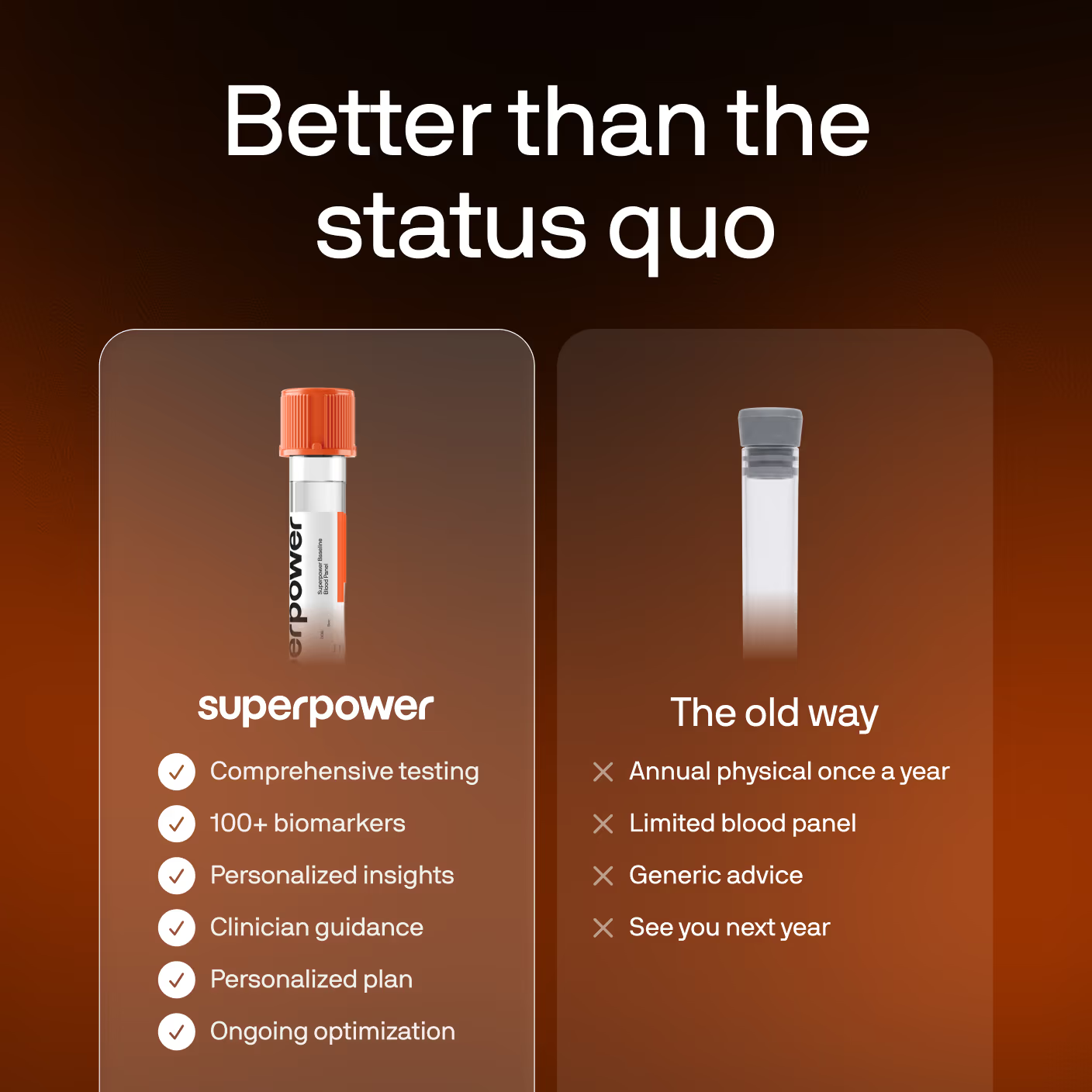










 Heart & Vascular Health
 Metabolic Health
 Energy
 Liver Health
 Kidney
 Sex Hormones
 Thyroid Health
 Nutrients
 Immune System
 Inflammation