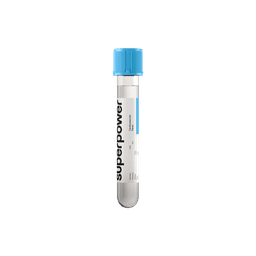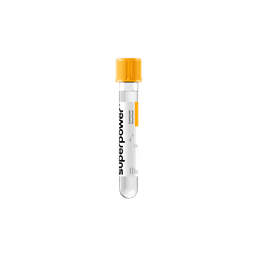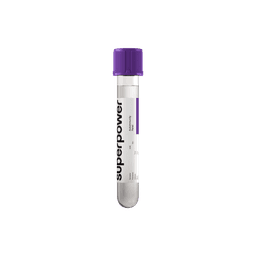
Test details
- Sample type:
- Single blood draw (blood only)
- Location:
- In-person at local lab / At-home phlebotomist visit (+$119)
- Availability:
- Available in 40 states
- Turnaround:
- Results typically available within 10 days
- Preparation:
- Fast for 10 hours before your appointment; water is fine
About the Prostate Screening (PSA) panel
PSA, or prostate-specific antigen, is a protein produced by prostate tissue. A blood test measures how much is circulating, and elevated levels may be associated with prostate conditions worth investigating further.
This panel gives you the full PSA read: total PSA, free PSA, and the percentage of free PSA relative to total (the free:total ratio). The ratio is the key differentiator. Benign prostate conditions tend to produce more free PSA, while prostate cancer tends to produce more protein-bound PSA. A lower percentage of free PSA is therefore associated with a higher likelihood of prostate cancer; a higher percentage is more consistent with benign enlargement. Most PSA tests check total PSA only. Measuring free PSA and the ratio adds meaningful context that can help avoid unnecessary follow-up.
This panel screens for elevated PSA levels. It does not diagnose prostate cancer or any other condition. Results should be reviewed with a qualified healthcare provider.
Who benefits from testing
PSA screening is most relevant for men who want a baseline or who have reasons to look closer.
- Men 50 and older following routine prostate health monitoring.
- Men 45 and older with a first-degree family history of prostate cancer.
- Men 40 and older with multiple family members diagnosed with prostate cancer at an early age.
- Men of African ancestry, who statistically face higher incidence of prostate cancer and may benefit from earlier baseline testing starting at 40.
- Anyone experiencing urinary symptoms (frequent urination, weak stream, difficulty starting or stopping, nighttime waking to urinate) that have persisted without explanation.
- Men who have had a previous elevated PSA and want to track levels over time.
These are examples of who commonly screens, not medical recommendations. Discuss your individual screening decision with a healthcare provider.
Symptoms that may be worth investigating
Elevated PSA does not always cause symptoms, and symptoms do not always mean elevated PSA. Still, certain changes in urinary or pelvic function are often what prompt men to check.
- Urinating more frequently, especially at night
- Weak or interrupted urine stream
- Difficulty starting urination
- Feeling that the bladder does not fully empty
- Pelvic pressure or discomfort
- Unexplained changes in sexual function
These symptoms have many possible causes. Testing gives you a data point to bring to a provider conversation.
What your results reveal
Total PSA
The primary screening marker. Measures the total amount of prostate-specific antigen in your blood. Levels above typical reference ranges may be associated with prostate enlargement, inflammation, or other prostate conditions, and may warrant further evaluation. An elevated total PSA with a low percentage of free PSA warrants closer follow-up; a normal PSA with a healthy ratio provides reassurance.
Free PSA
PSA circulates in two forms: bound to proteins and unbound (free). This marker measures only the unbound fraction. The amount of free PSA adds useful context to the total PSA value.
Free PSA % (free:total ratio)
The percentage of free PSA relative to total is often the most clinically informative part of this panel. A lower percentage (less free PSA relative to total) is more commonly associated with prostate cancer risk, while a higher percentage is more consistent with benign prostate conditions. Most basic PSA tests do not calculate this. Measuring it gives your provider more to work with.
Reference ranges vary by lab and individual. Your provider will interpret your results in the context of your age, history, and prior PSA levels.
Why a single PSA result tells only part of the story
A single PSA reading is a snapshot. How that number changes over time (sometimes called PSA velocity) gives a provider more informative context than any one measurement alone. A level that rises significantly from one test to the next may carry different implications than a stable level in the same numeric range.
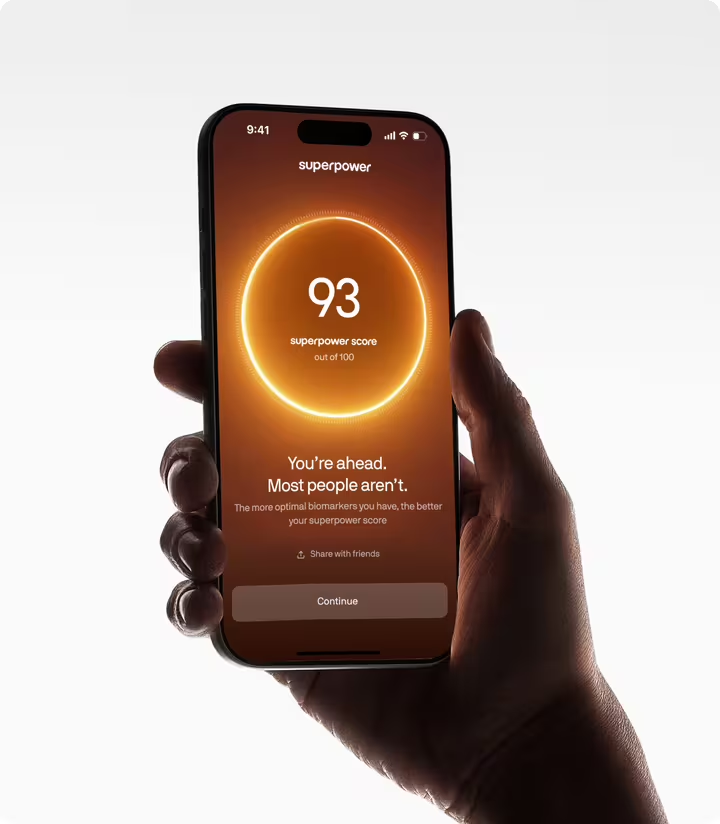
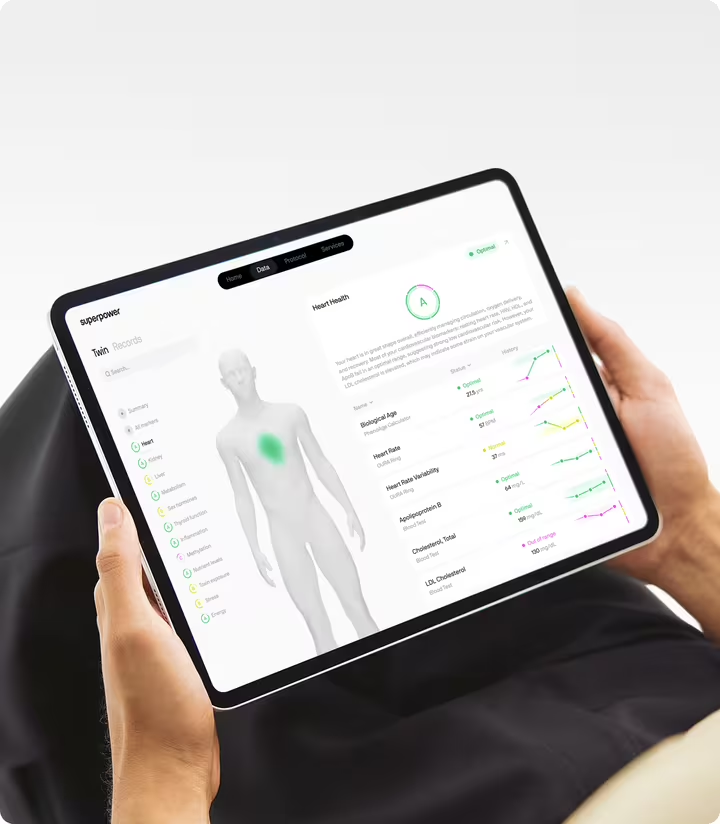
With a Superpower membership, your PSA results are stored alongside your full health history, making it easier to track trends over time and share a complete picture with your provider.
How it works
- Add the panel to your Superpower order.
- Schedule a blood draw at a local clinic or book an optional at-home visit from a trained phlebotomist (+$119). Samples are processed in a CLIA-certified lab.
- Fast for 10 hours before your appointment. Water is fine.
- Receive your results in your Superpower dashboard, typically within 10 days after your sample is processed.
- Review your results with your Superpower care team or bring them to your own provider.
Understanding an elevated result
An elevated PSA level does not automatically indicate cancer. PSA can rise due to benign prostate enlargement (BPH), prostatitis (prostate inflammation), recent physical activity, or even a recent digital rectal exam. Age also naturally affects baseline levels. Your provider will consider your complete picture (age, risk factors, symptoms, and the free:total ratio) before recommending any next step.
Frequently asked questions
Biomarkers tested
Free PSA is the portion of PSA not bound to proteins.
Learn moreMethod: FDA-cleared clinical laboratory assay performed in CLIA-certified, CAP-accredited laboratories. Used to aid clinician-directed evaluation and monitoring. Not a stand-alone diagnosis.