Thymosin Beta-4: What It Is and What the Research Shows

Evidence strength:

Low research

REVIEWED BY

William Maish, MD MBA MPH

Clinical Product Lead

Published

Last updated

Key takeaway:

Thymosin beta-4 is a naturally occurring tissue-repair peptide involved in cell movement and healing, sold on the "research peptide" market for recovery. Its biology and animal data are extensive, but human data are limited to small early-stage wound trials, and it is banned in sport. As of 2026 it is not FDA-approved.

Read more →

At a glance:

FDA statusNot FDA-approved, sold in the wellness/gray market
What it isNaturally occurring actin-regulating peptide involved in cell migration and tissue repair
ResearchHuman data limited to small, early wound-healing trials
SportProhibited by WADA at all times
Evidence strengthLow research

What is thymosin beta-4?

Thymosin beta-4 is a small, naturally occurring 43-amino acid peptide found in most cells and body fluids, released at sites of injury by platelets and immune cells. It plays a role in cell movement and tissue repair. It is sold through wellness and "research peptide" channels for recovery and healing, and it is not an approved medicine. (A marketed fragment of this peptide, TB-500, is catalogued separately.)

How does it work?

Thymosin beta-4 binds a cell-structure protein called actin and promotes cell migration, the mobilization of stem and progenitor cells, new blood-vessel formation, and reduced inflammation and scarring. This mechanism is well characterized in laboratory and animal models of wound, eye, heart, and nervous-system repair. This describes the proposed mechanism, separate from demonstrated benefit in people.

Is it FDA-approved?

No. Thymosin beta-4 is not approved by the FDA. In sport, it is prohibited at all times under the growth-factor section of the WADA list. (Note: the full-length peptide was not among the items reviewed at the 2026 FDA compounding advisory meetings; its marketed fragment TB-500 was.)

What does the research show?

The animal and laboratory base is large, but human data are early-stage. According to PubMed, human experience is confined to small or early trials, such as a review of its regenerative properties and a randomized dose-escalation venous-ulcer study assessing safety and tolerability. No pivotal trial has established efficacy for a general recovery or wellness use, so its marketed benefit is unproven in people.

Evidence strength

Low research: There is a strong mechanism and preclinical base, but only small, early human trials, with no efficacy established for the marketed recovery or wellness use. Sources: a review of thymosin beta-4's regenerative properties (Goldstein et al., Expert Opinion on Biological Therapy, 2012, DOI: 10.1517/14712598.2012.634793) and a venous-ulcer study (Guarnera et al., Annals of the New York Academy of Sciences, 2007, DOI: 10.1196/annals.1415.003), indexed on PubMed; and the WADA Prohibited List. This document is educational, is not medical advice or a health claim, and is not an offer to sell any product.


Led by doctors with 40 years of health and longevity expertise

Dr. Anant Vinjamoori

Dr. Anant Vinjamoori, MD

Chief Longevity Officer, Superpower

Dr. Leigh Erin Connealy

Dr. Leigh Erin Connealy, MD

Clinician & Founder of The Centre for New Medicine

Dr. Robert Lufkin

Dr. Robert Lufkin, MD

Physician & UCLA Medical School Professor, NYT bestselling author

Dr. Abe Malkin

Dr. Abe Malkin, MD

Founder & Medical Director of Concierge MD

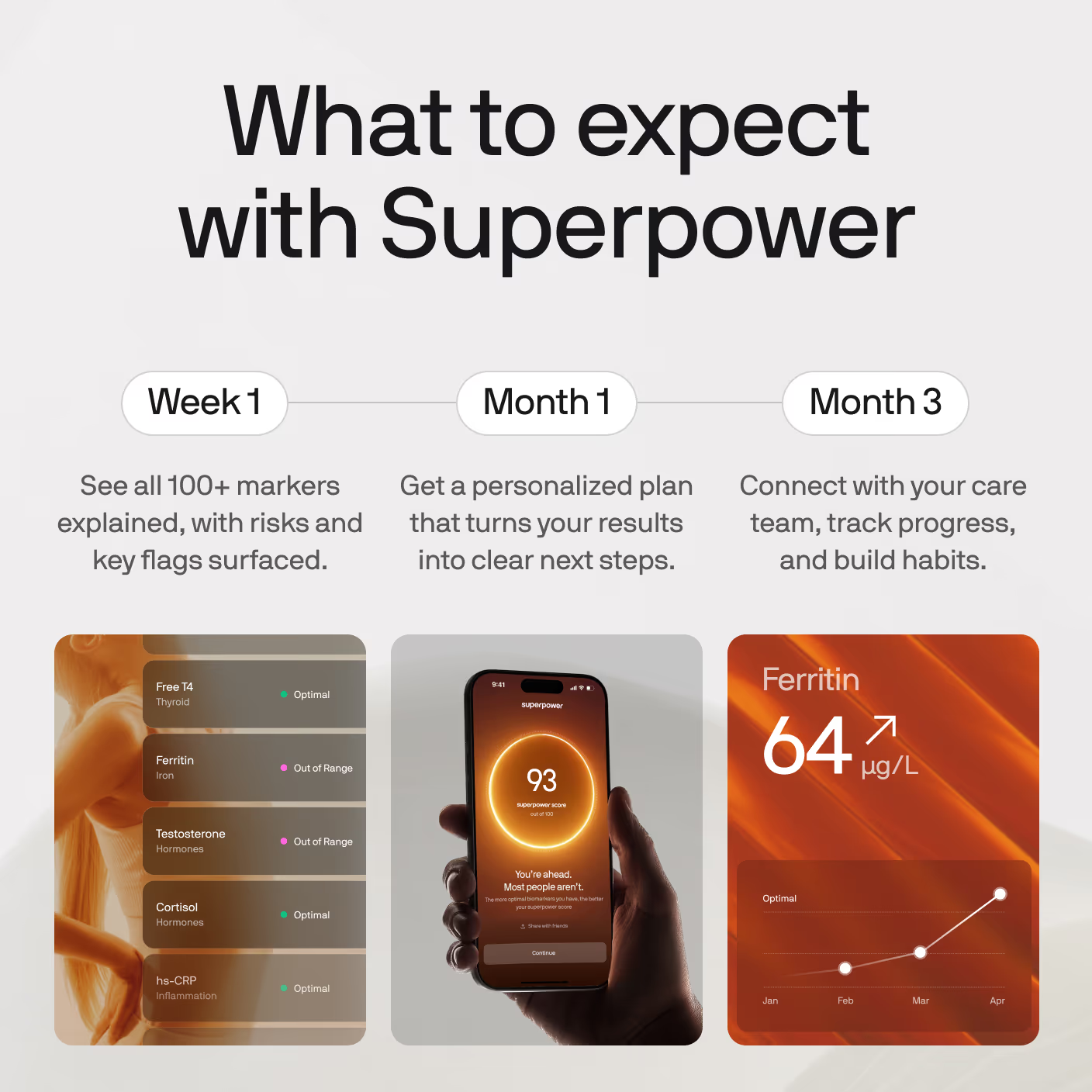
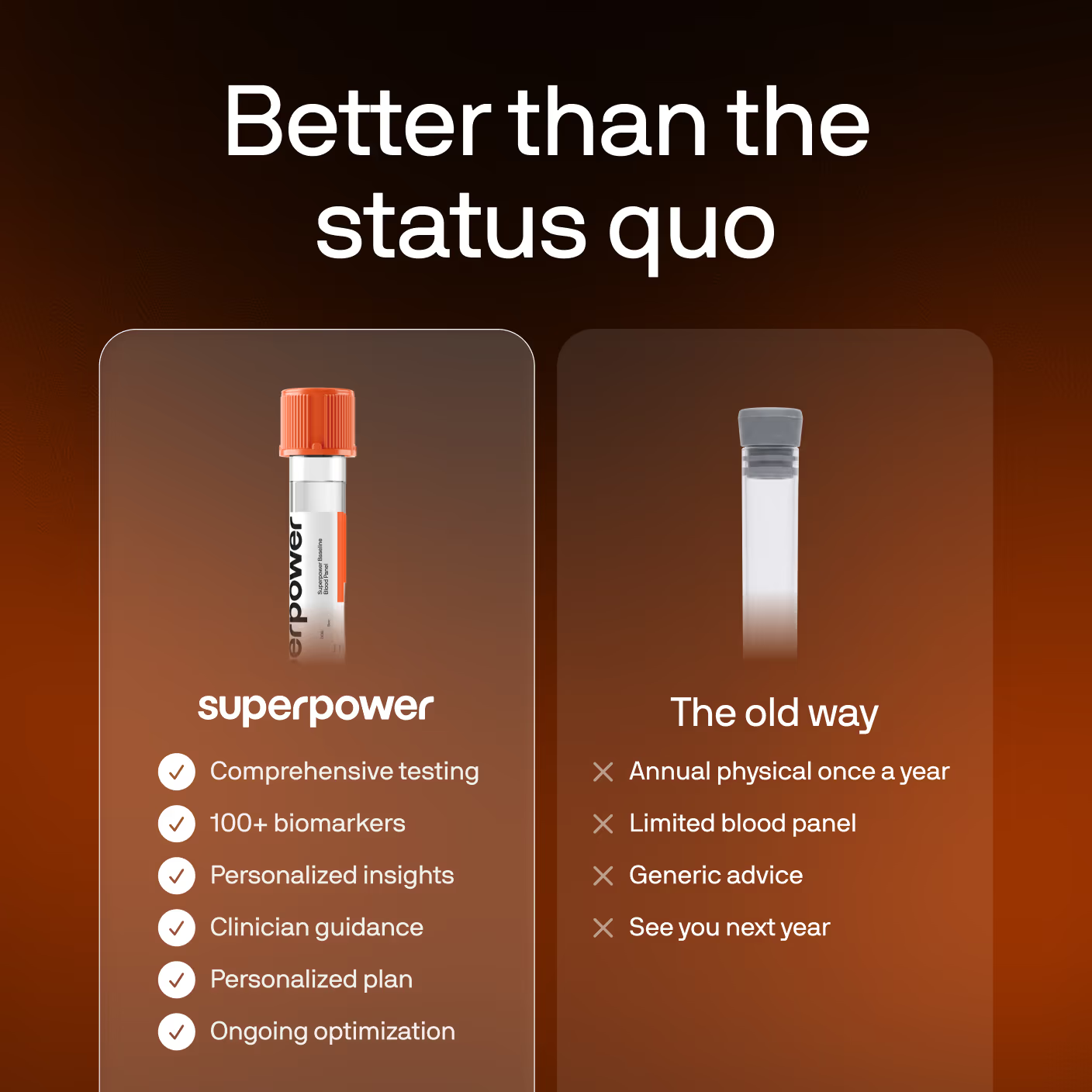
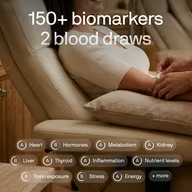
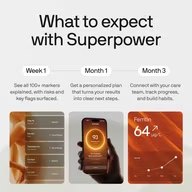
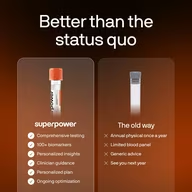
Biological age 32 — a Superpower member portraitA health system built around you — test, understand, optimize150+ biomarkers across 2 blood drawsWhat to expect with Superpower — week 1 to month 3Trusted by 64,000+ customers — member reviewsBetter than the status quo — Superpower vs the old way60% of members found something a doctor missed — member survey
Daniel OSuperpower memberDavid LSuperpower memberRachel DSuperpower memberCamelia VSuperpower member

4.6 · 64,000+ members

Superpower health membership

Find early signs of 1,000+ conditions - then act, retest, and see what changed.

$349

/year*

150+ biomarkers annually across baseline + retest

Personalized plan that turns results into action

Superpower AI and on-demand care team

Results in 10 days or less

At-home or 2,000+ labs nationwide**

Yearly membership$0.96 / dayHSA/FSA eligible

*Pricing may vary for members in New York and New Jersey

**At-home labs for an additional cost

What we test

TestosteroneFree T4Vitamin DApoBHbA1cThyroid (TSH)hs-CRPFerritinCortisolFasting insulin

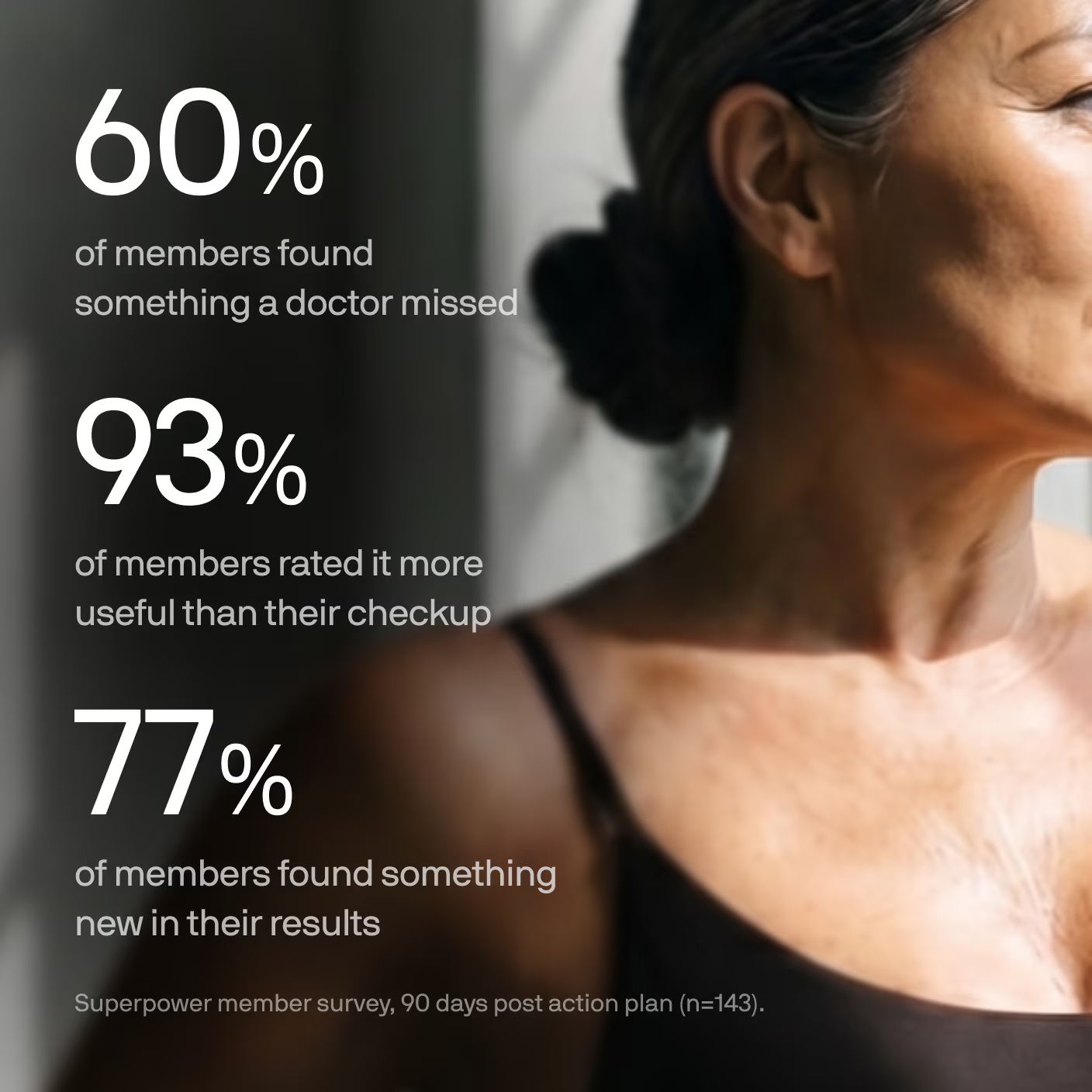
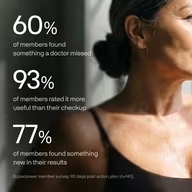
60%

found something a doctor missed

93%

rated it more useful than their checkup

77%

found something new in their results

Superpower member survey, 90 days post action plan (n=143).

How does the Superpower membership work?

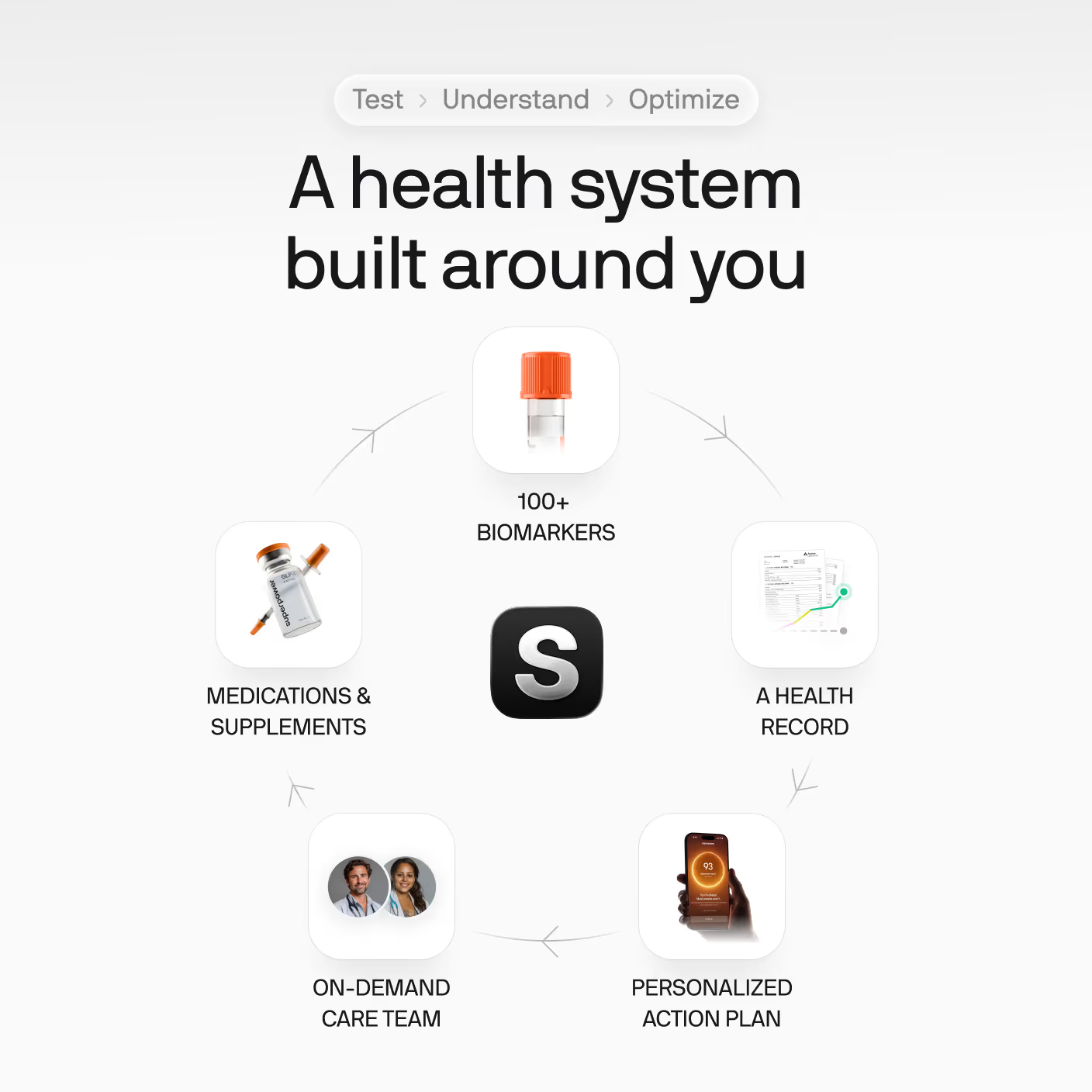
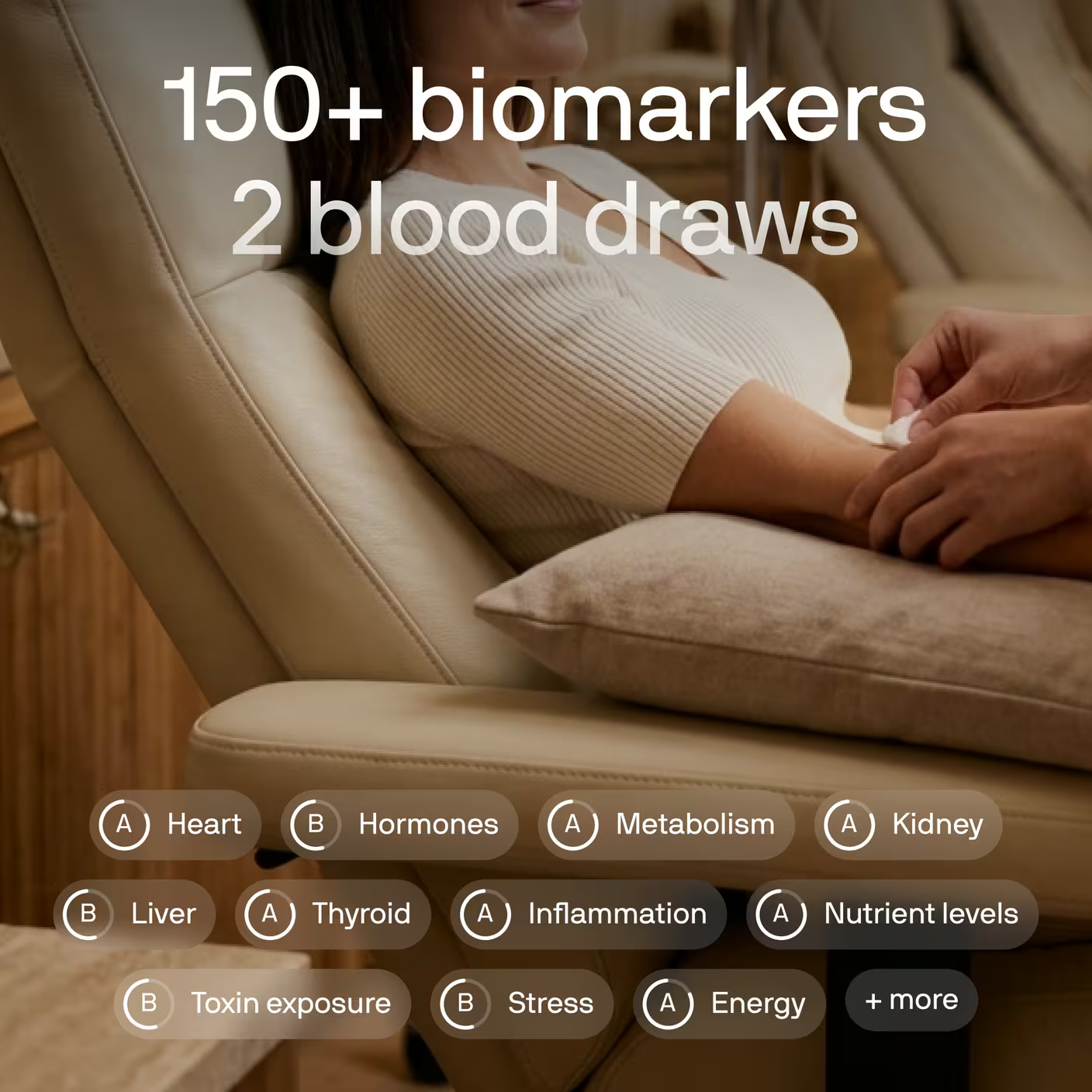
We test 150+ biomarkers annually across two blood draws. Your baseline test paints a comprehensive picture of your health, and your dashboard shows what’s working, what needs attention, and what to do next. Superpower AI and your care team help you take action across lifestyle, supplements, and treatments. Then we retest to track your progress and continue refining your plan.

Can I cancel anytime?

Yes. You can cancel anytime, no fees. Your membership stays active through the end of your paid year.

How often should I test?

Your membership includes two blood tests per year: one to establish your baseline, and one to see whether your plan improved biomarkers that were out of range or not yet optimized. You can add other diagnostics anytime through the app or with help from your care team.

When will I get my results?

Book your draw at any of 2,000+ partner labs or at-home. Results are typically ready in about a week and land in the Superpower app.

What the 100+ panel measures

All 101 markers in your annual baseline draw, organized by system. Nothing here is an upsell.

Heart & Vascular Health

26

  • Apolipoprotein B
  • Atherogenic Coefficient
  • Atherogenic Index of Plasma
  • Castelli Risk Index I
  • Castelli Risk Index II
  • HDL Cholesterol
  • LDL Cholesterol
  • LDL/HDL Ratio
  • Cholesterol, Total
  • Non-HDL Cholesterol
  • Cholesterol/HDL Ratio
  • Carbon Dioxide, Total
  • High-sensitivity CRP
  • hsCRP-to-Albumin Ratio (CAR)
  • GGT-to-HDL Cholesterol Ratio
  • LDL-C to Apolipoprotein B Ratio (LDL-C/ApoB)
  • LDL Cholesterol / Total Cholesterol (Mass Ratio)
  • Monocyte-to-HDL Ratio (MHR)
  • Neutrophil-to-HDL Cholesterol Ratio (NHR)
  • Non-HDL Cholesterol-to-Apolipoprotein B Ratio (Non-HDL-C/ApoB)
  • NON-HDL Total Cholesterol Ratio
  • Triglyceride HDL Molar Ratio
  • Triglycerides
  • Triglyceride-to-Apolipoprotein B Ratio (TG/ApoB)
  • TyG Index
  • Uric Acid

Metabolic Health

4

  • Estim. Avg Glu (eAG)
  • Eag (mmol/l)
  • Glucose
  • Hemoglobin A1c

Energy

1

  • Cortisol

Liver Health

15

  • Albumin/Globulin Ratio
  • Albumin
  • Alkaline Phosphatase (ALP)
  • Alanine Aminotransferase (ALT)
  • Aspartate Aminotransferase (AST)
  • Bilirubin Direct
  • Bilirubin Indirect
  • Bilirubin, Total
  • Bilirubin-to-Albumin Ratio
  • Ferritin
  • Ferritin-to-Albumin Ratio
  • y-Glutamyl Transferase (GGT)
  • Globulin, Total
  • Indirect-to-Direct Bilirubin Ratio
  • Protein, Total

Kidney

11

  • Calcium
  • Chloride
  • Corrected Calcium (Albumin-adjusted)
  • Creatinine
  • Estimated Glomerular Filtration Rate (eGFR)
  • Potassium
  • Sodium
  • BUN/Creatinine Ratio
  • Blood Urea Nitrogen (BUN)
  • Urea-to-Creatinine Ratio
  • Uric Acid-to-HDL Cholesterol Ratio (UHR)

Sex Hormones

7

  • DHEA-Sulfate (DHEA-S)
  • Free Androgen Index
  • Sex Hormone Binding Globulin (SHBG)
  • Free Testosterone
  • Testosterone, Bioavailable
  • Testosterone, Total
  • Testosterone-to-Estradiol Ratio (T/E₂)

Thyroid Health

4

  • Free Thyroxine Index
  • T3 Uptake
  • T4 (thyroxine) Total
  • Thyroid-Stimulating Hormone (TSH)

Nutrients

13

  • Vitamin D
  • Red Cell Dist Width (RDW)
  • Hematocrit
  • Hemoglobin
  • Total Iron Binding Capacity (TIBC)
  • Iron
  • Iron Saturation
  • Mean Cell Hemoglobin (MCH)
  • Mean Corpuscular Hemoglobin Concentration (MCHC)
  • Mean Cell Volume (MCV)
  • Platelet-to-WBC Ratio (PWR)
  • Red Blood Cells
  • RDW MCV Ratio

Immune System

12

  • Basophils
  • Baso (Absolute)
  • Eosinophils
  • Eos (Absolute)
  • Lymphocytes
  • Lymphs (Absolute)
  • Monocytes
  • Monocytes (Absolute)
  • Neutrophils
  • Neutrophils (Absolute)
  • Mean Platelet Volume
  • Platelet Count

Inflammation

8

  • Lymphocyte-to-Monocyte Ratio (LMR)
  • Monocyte-to-Lymphocyte Ratio (MLR)
  • Neutrophil-to-Lymphocyte-Platelet Ratio (NLPR)
  • Neutrophil-to-Lymphocyte Ratio (NLR)
  • Platelet-to-Lymphocyte Ratio (PLR)
  • Systemic Immune-Inflammation Index
  • Systemic Inflammation Response Index (SIRI)
  • White Blood Cells
Get my health baseline

The full list of 100+ markers and 8 specialty add-ons available at superpower.com/biomarkers.