.svg)


Stay well-hydrated leading up to your appointment and wear a shirt with loose sleeves. We recommend fasting for at least 8 hours before your draw for the most accurate results — water and black coffee are fine.


Know what's really going on with your health
Turn your blood test results into personalized insights, simple protocols, and action.

Thyroid, cortisol, testosterone and estrogen, all included
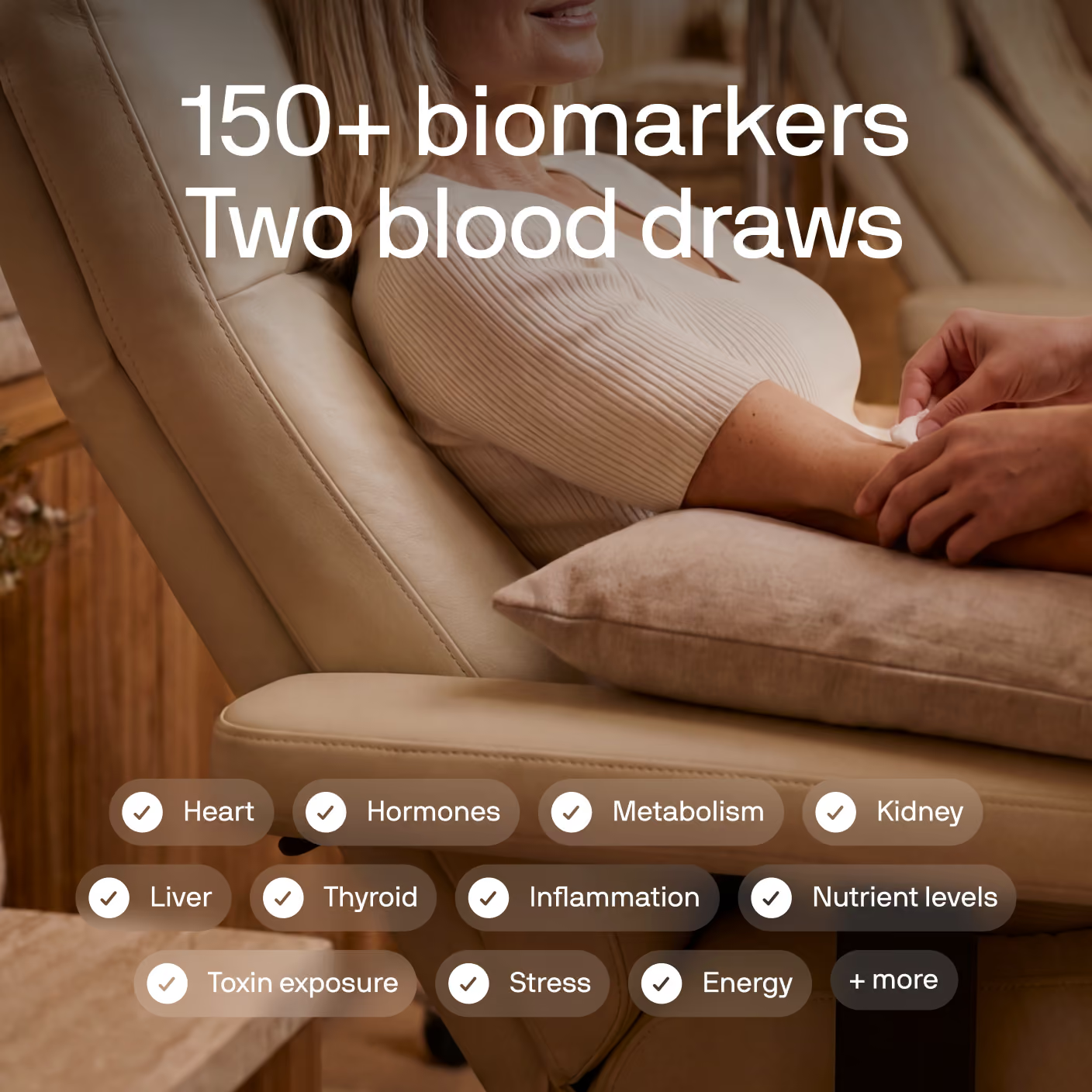
150+ biomarkers, not the 10 to 15 in an annual physical
Two blood draws a year, at 2,000+ locations or at-home
6M+ biomarkers analyzed
Get my health baseline
Loading...
Designed by the world’s leading physicians and scientists





Dr Leigh Erin Connealy, MD
Clinician & Founder of The Centre for New Medicine
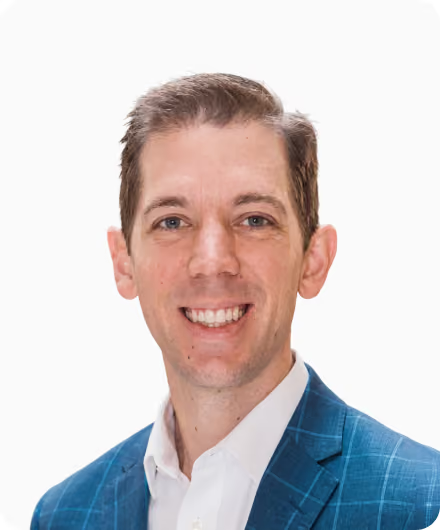
Dr. Alex J. Tatem, MD
Board-certified Urologist and Men's Health Specialist
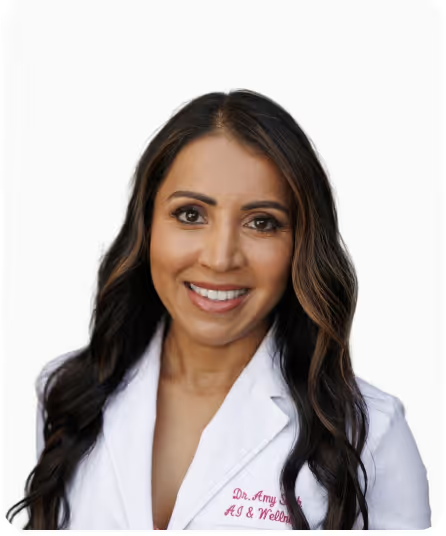
Dr Amy Shah, M.D.
Cornell M.D., NYT bestselling author

Dr Robert Lufkin
UCLA Medical Professor, NYT Bestselling Author

Dr Abe Malkin
Founder & Medical Director of Concierge MD
Meet the doctors on Superpower’s medical advisory board

Dr. Alex J. Tatem, MD
Board-certified Urologist and Men's Health Specialist
Dr. Alex J. Tatem, MD, is a fellowship-trained, board-certified urologist and nationally recognized expert in Men’s Health, male fertility, sexual medicine, and prosthetic urology. Based in Indianapolis, he specializes in conditions including erectile dysfunction, Peyronie’s disease, male infertility, low testosterone, and penile implant surgery.
Dr. Tatem completed his medical training at the Medical College of Georgia, urology residency at Indiana University, and fellowship training in Male Fertility, Microsurgery, and Sexual Medicine at Baylor College of Medicine. He is also dedicated to physician education, research, and advancing the field of Men’s Health.
Meet the doctors on Superpower’s medical advisory board

Dr. Leigh Erin Connealy, MD
Clinician & Founder of The Centre for New Medicine
Dr. Leigh Erin Connealy is one of the most recognized leaders in integrative and functional medicine, with nearly four decades of clinical experience treating the root causes of chronic disease and cancer.
She began practicing medicine in 1986, founded the Center for New Medicine in Irvine, California in 1992, and later established the Cancer Center for Healing in 2009 after recognizing the limitations of conventional oncology alone.
Today, her combined 30,000-square-foot facilities are the largest integrative medical clinic in North America, having treated more than 47,000 patients from around the world. Dr. Connealy's practice combines conventional diagnostics with functional medicine, nutrition, hormone optimization, bioenergetic therapies, and advanced technologies like RGCC genetic testing, hyperthermia, and photodynamic therapy.
Meet the doctors on Superpower’s medical advisory board

Dr. Robert Lufkin, MD
Physician & UCLA Medical School Professor, NYT bestselling author
Dr. Robert Lufkin is a physician, medical school professor, and New York Times bestselling author whose work has reshaped the conversation around metabolic health and chronic disease.
He has served as a full professor at both the UCLA and USC Schools of Medicine, and currently holds an appointment as Adjunct Clinical Professor of Radiology at the USC Keck School of Medicine, with an academic focus on the applied science of longevity. He is the author of more than 200 peer-reviewed scientific papers and 14 books translated into sixteen languages.
After reversing 4 chronic diseases in himself through lifestyle medicine, Dr. Lufkin made it his mission to expose the metabolic misinformation embedded in modern healthcare. His book Lies I Taught in Medical School became an instant New York Times bestseller and winner of the National Indie Excellence Award in Health. ity.
Meet the doctors on Superpower’s medical advisory board

Dr. Abe Malkin, MD
Founder & Medical Director of Concierge MD
Dr. Abe Malkin is a Southern California-based physician and healthcare entrepreneur who has built one of the largest concierge medical networks in the United States.
Dr. Malkin is the Founder and Medical Director of Concierge MD, a nationwide concierge medical practice offering in-home primary care, urgent care, and preventative services, and the Founder of Drip Hydration, a mobile IV therapy and wellness company operating in over 100 cities worldwide.
He also leads Wellness MD Group, which provides medical directorship and compliance infrastructure to wellness businesses nationwide. Beyond his entrepreneurial work, he serves as medical director for several addiction treatment and recovery centers, bringing evidence-based detox and recovery protocols to patients in private, at-home settings.
Finally, a membership that doesn’t just stop at lab testing
“I’ve been so impressed by Superpower’s testing depth and the care that every single member gets”

Dr Amy Shah, M.D.
Cornell M.D., NYT bestselling author
150+ biomarkers across baseline + retest
Start with a comprehensive baseline, then retest later in the year to see what changed.
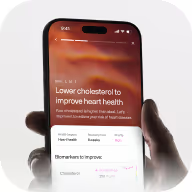
A plan built around your biology
Turn your results into clear next steps across lifestyle, supplements, and treatments.

Everything you need to take action
Access member-priced diagnostics, supplements, and prescription treatments in one place.

Care team all year-round
Superpower AI + an on-demand care team help you act and refine your plan between tests.
What we test
150+ biomarkers chosen by world-class physicians
Medical-grade labs trusted by the world’s best clinics. No startup labs. No unreliable blood draws.


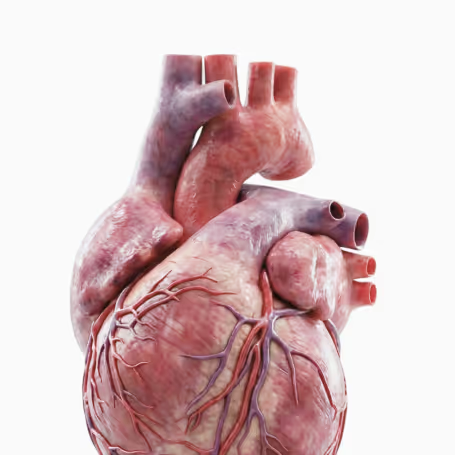
Heart
17 biomarkers
Atherogenic Coefficient
Cholesterol/HDL Ratio
LDL Cholesterol
LDL C / ApoB
Neutrophil to HDL Cholesterol Ratio
Non-HDL Cholesterol
Apolipoprotein B (ApoB)
Cholesterol, Total
HDL Cholesterol
LDL Cholesterol / Total Cholesterol Ratio
LDL/HDL Ratio
Non-HDL Cholesterol / Total Cholesterol Ratio
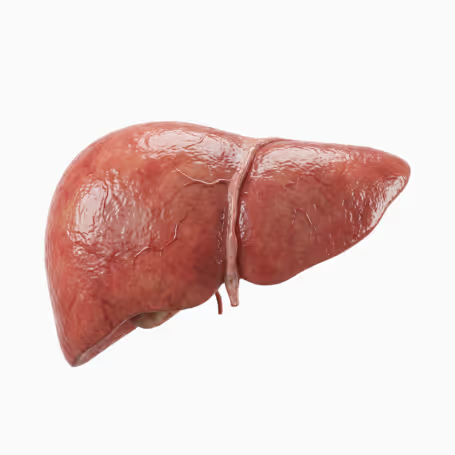
Liver Health
13 biomarkers
Albumin
Alkaline Phosphatase (ALP)
Bilirubin, Direct
Bilirubin, Total
GGT to HDL Cholesterol Ratio
Globulin
Alanine Aminotransferase (ALT)
Albumin/Globulin Ratio
Aspartate Aminotransferase (AST)
Bilirubin, Indirect
Bilirubin to Albumin Ratio
Gamma Glutamyl Transferase (GGT)
Indirect to Direct Bilirubin Ratio
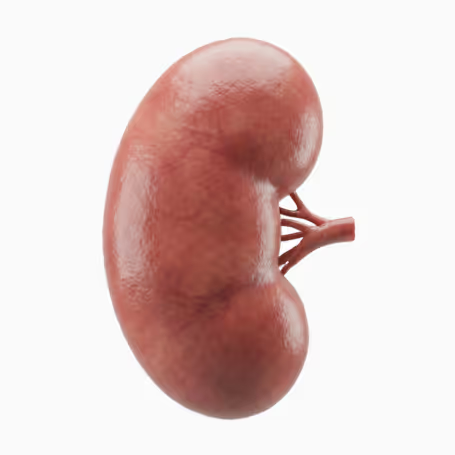
Kidney
9 biomarkers
Blood Urea Nitrogen (BUN)
Carbon Dioxide (CO2)
Creatinine
BUN/Creatinine Ratio
Calcium
Chloride
Estimated Glomerular Filtration Rate (eGFR)
Sodium

Sex Hormones
8 biomarkers
Estradiol
Sex Hormone Binding Globulin (SHBG)
Testosterone, Bioavailable
Testosterone, Total
DHEA Sulfate (DHEA-S)
Free Androgen Index (FAI)
Testosterone / Estradiol Ratio (T:E2)
Testosterone, Free
Nutrients
19 biomarkers
Corrected Calcium (Albumin Adjusted)
Estimated Average Glucose
Hemoglobin A1c (HbA1c)
Hematocrit
Mean Corpuscular Hemoglobin (MCH)
Mean Corpuscular Volume (MCV)
Triglyceride Glucose Index
Glucose
Uric Acid
Hemoglobin
Mean Corpuscular Hemoglobin Concentration (MCHC)
Mean Platelet Volume (MPV)

Thyroid Health
4 biomarkers
T3 Uptake
Thyroxine (T4), Total
Free T4 Index (T7)
Thyroid Stimulating Hormone (TSH)
The world's best athletes, actors and founders are on Superpower





Giannis Antetokounmpo
NBA Champion, Finals MVP, 2x League MVP

Ryan Nece
Super Bowl Champion, NFL Analyst

Vanessa Hudgens
Actress, Entrepreneur, Wellness Advocate

Steve Aoki
Grammy-Nominated DJ & Producer

Oliver Trevena
Entrepreneur, Health & Wellness Investor

Myles Garrett
2x NFL Defensive Player of the Year, NFL Sack Record Holder

Yes Theory
9.9M+ YouTube Subscribers, Founders of Seek Discomfort
Shaan Puri
Host of My First Million, over 25 million downloads

Mike Posner
Grammy-Nominated Artist, 10B+ Streams, climbed Mt. Everest

Logan Paul
WWE Wrestler, 23M+ YouTube Subscribers

Chris Voss
Former FBI Chief Hostage Negotiator, Best-Selling Author

Noah Neiman
Co-Founder of Rumble Boxing, 85+ Locations
Here’s why thousands ofmembers chose Superpower

From skeptical to total fan
I was skeptical but really wanted to get deeper look at my health and my PC wasn’t willing to go this comprehensive. I’ve been so impressed with the entire experience!
I couldn’t be happier with this program! One of my favorite features is the 24/7 contact; having support available whenever I have a question makes a world of difference.
Thank you Superpower!
They gave me a protocol to follow so I can take control of my health. I have a new workout plan, nutrition and supplement guidance to help me meet my goals. The concierge team is absolutely amazing too!
Superpower by far has the best offering
The amount of blood required was far below competitors. The online marketplace completes the full offering for a one-stop-shop.
The tools for preventative care
As an Integrative Women's Health Coach this is exactly what I was looking for, for myself and to recommend to my clients.

Anastacia Drake
Superpower member
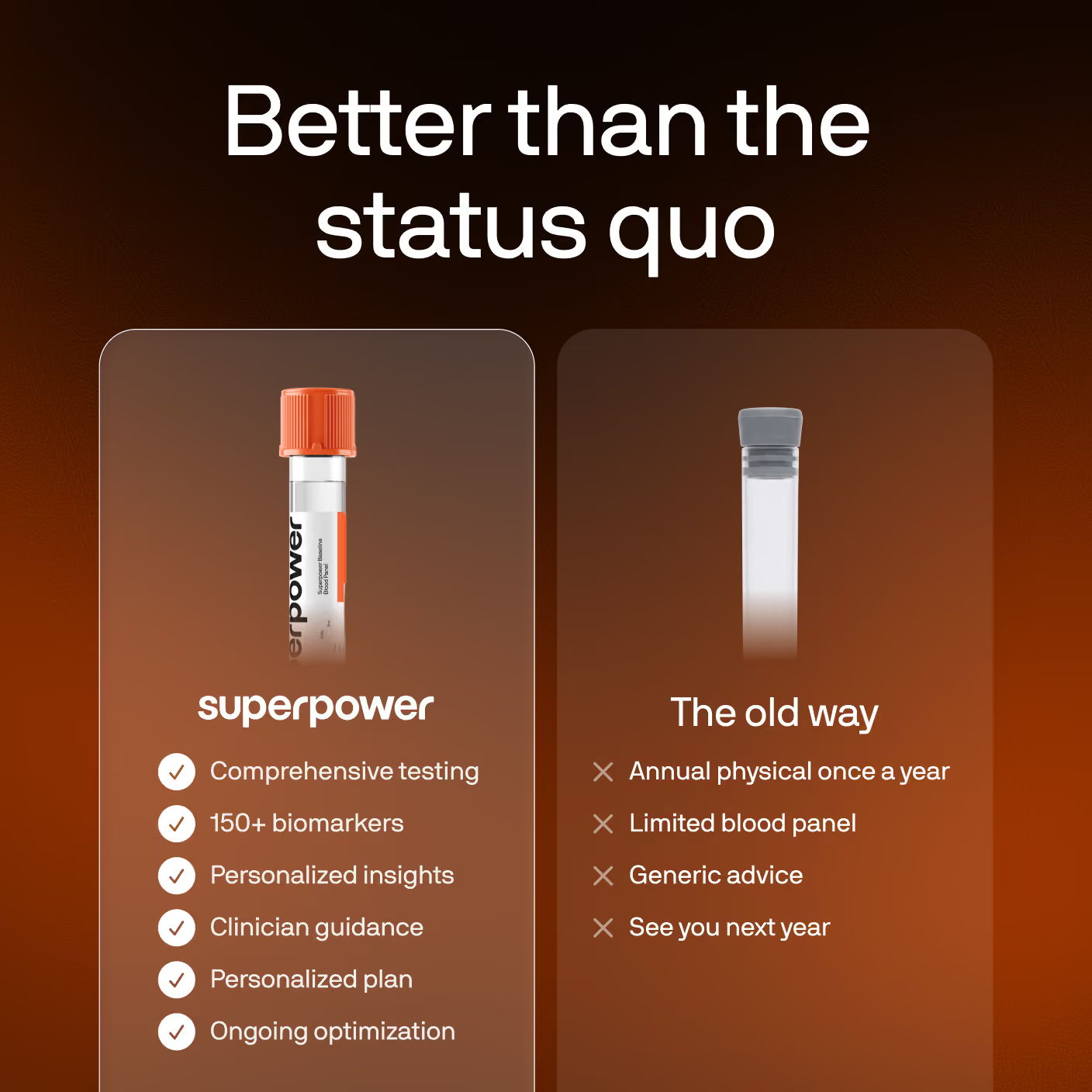
Others stop at lab testing, here’s how we compare
Other clinics

Lab tests annually
100+
150+ biomarkers
Supplements, diet & medication protocol
Not included
Supplements, diet & medication protocol
Private care team
Not included
Private care team
Upload past labs
Not included
Upload past labs
Access to medication & supplement marketplace
Not included
Access to medication & supplement marketplace
Access to testing for 50+ cancer types
Not included
Access to testing for 50+ cancer types
Pricing
$365/yr
$349/yr
Superpower tests for early signs of 1000+ conditions
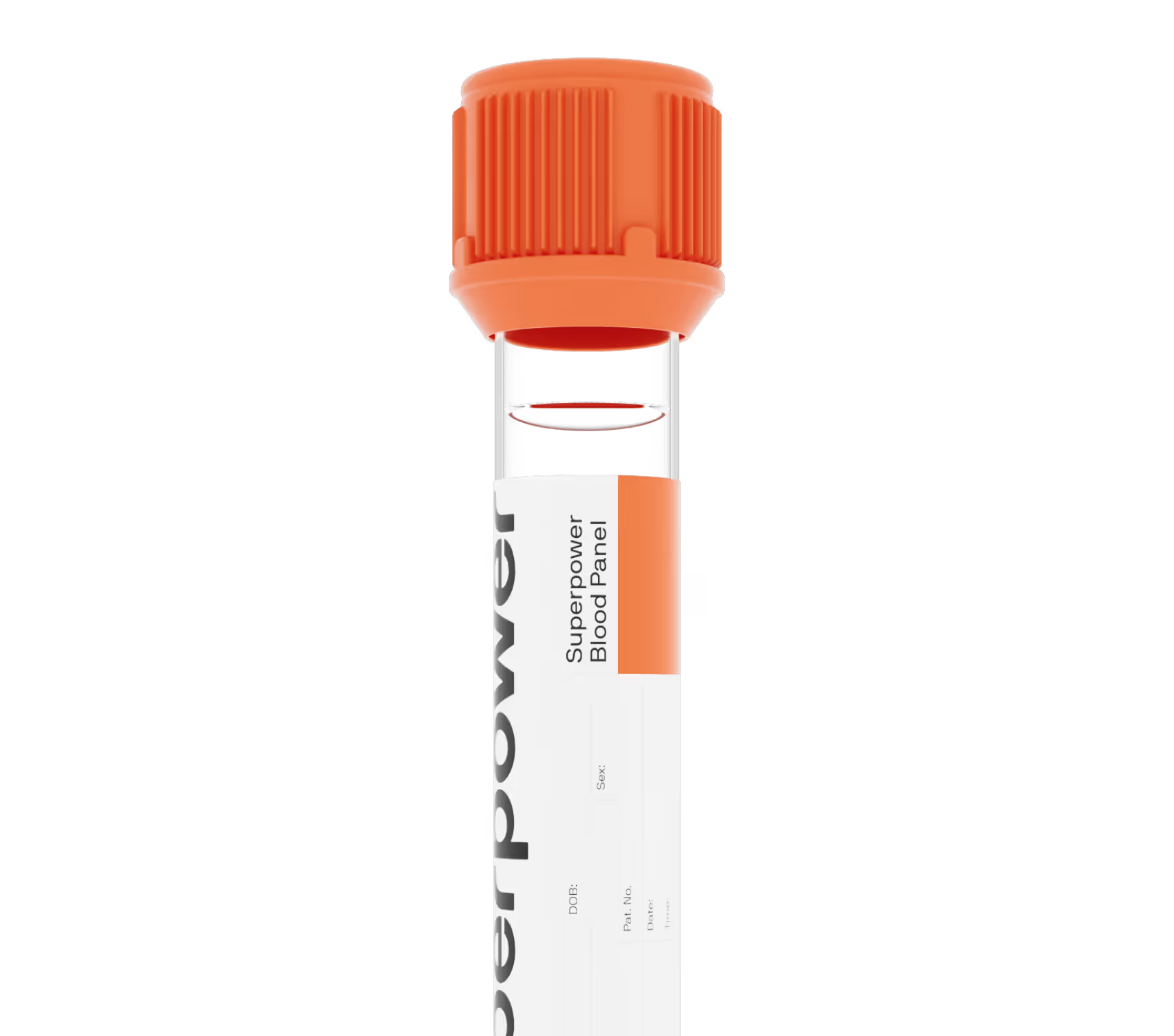
Thyroid Function·Cardiovascular Risk·Metabolic Health·Liver Function·Kidney Health·Hormone Balance·Inflammation Markers·Vitamin Deficiencies·Iron Studies·Blood Sugar·Cholesterol Panel·Cortisol·Testosterone·Estrogen·Thyroid Function·Cardiovascular Risk·Metabolic Health·Liver Function·Kidney Health·Hormone Balance
Cancer Screening·Autoimmune Markers·Nutrient Levels·Gut Health·Sleep Disorders·Bone Health·Oxidative Stress·Heavy Metals·Diabetes Risk·Heart Disease·Prostate Health·Fertility·Cancer Screening·Autoimmune Markers·Nutrient Levels·Gut Health·Sleep Disorders·Bone Health·Oxidative Stress·Heavy Metals
.avif)
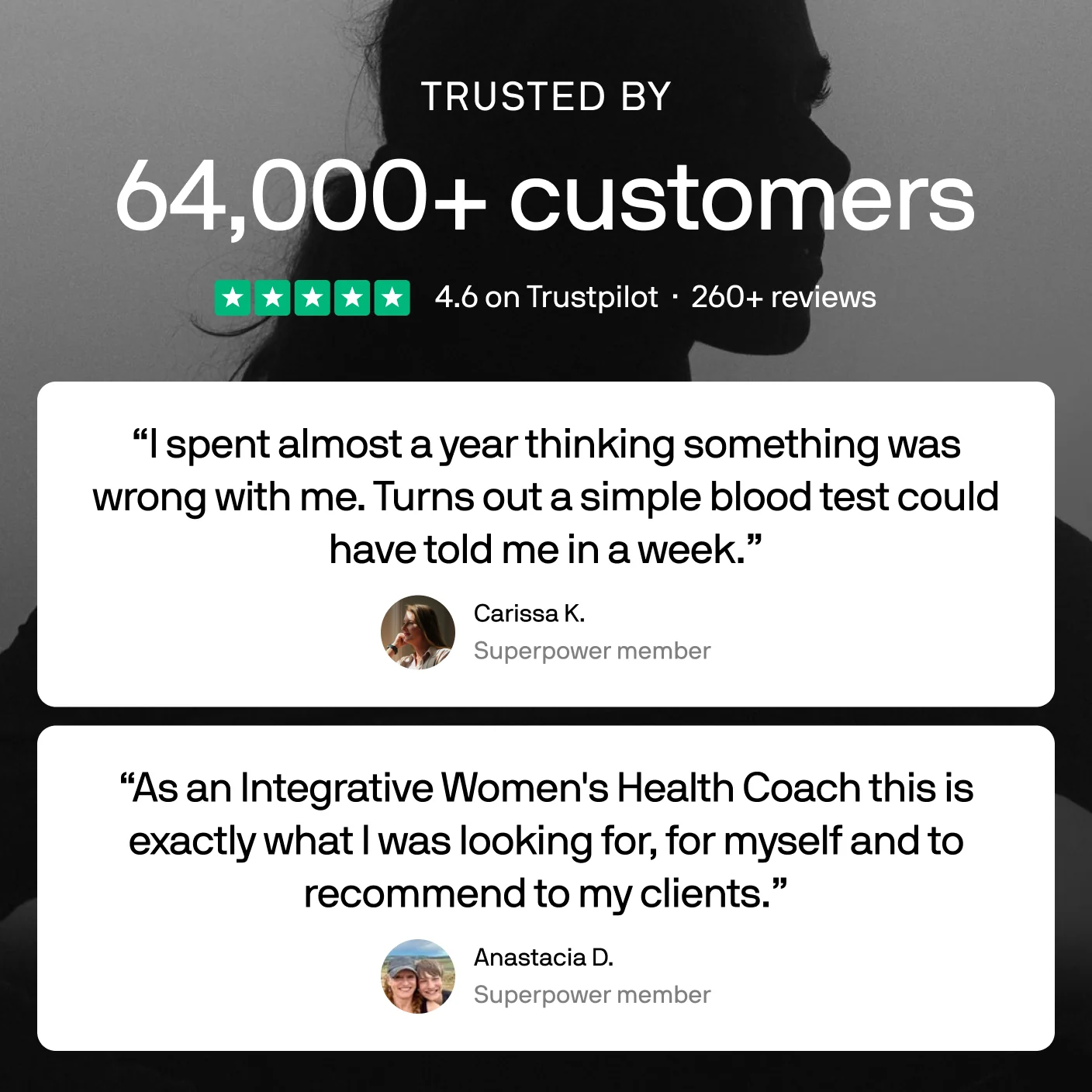


4.6 · 64,000+ members
Superpower health membership
Find early signs of 1,000+ conditions - then act, retest, and see what changed.
$349
/year*
150+ biomarkers annually across baseline + retest
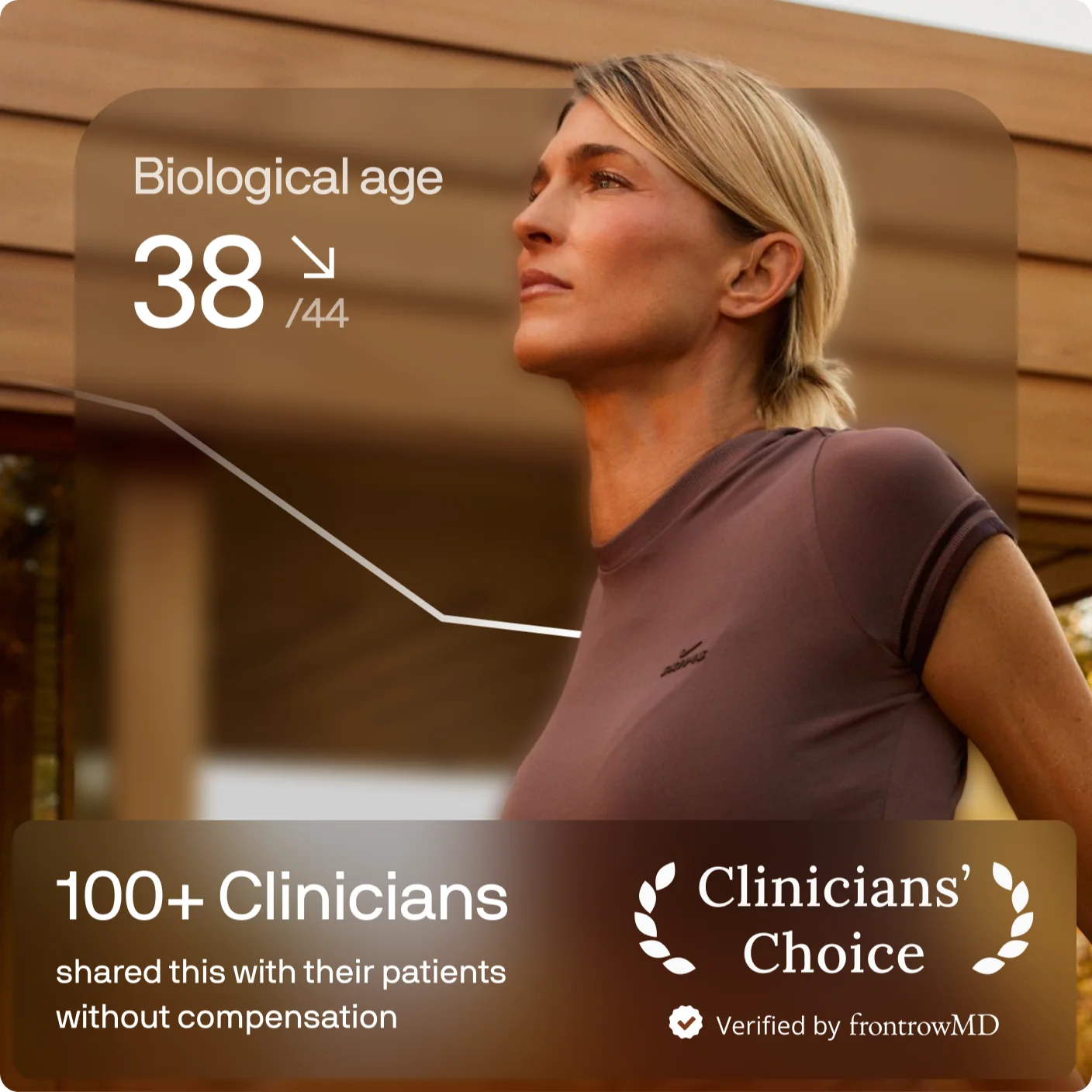
Biological age + 17 unique health scores
Personalized plan that turns results into action
Superpower AI and on-demand care team
Results in 10 days or less
At-home or 2,000+ labs nationwide**
6M+ biomarkers analyzed
Get your baseline
Loading... Yearly membership
 $0.96 / day
 HSA/FSA eligible
*Pricing may vary for members in New York and New Jersey
**At-home labs for an additional cost
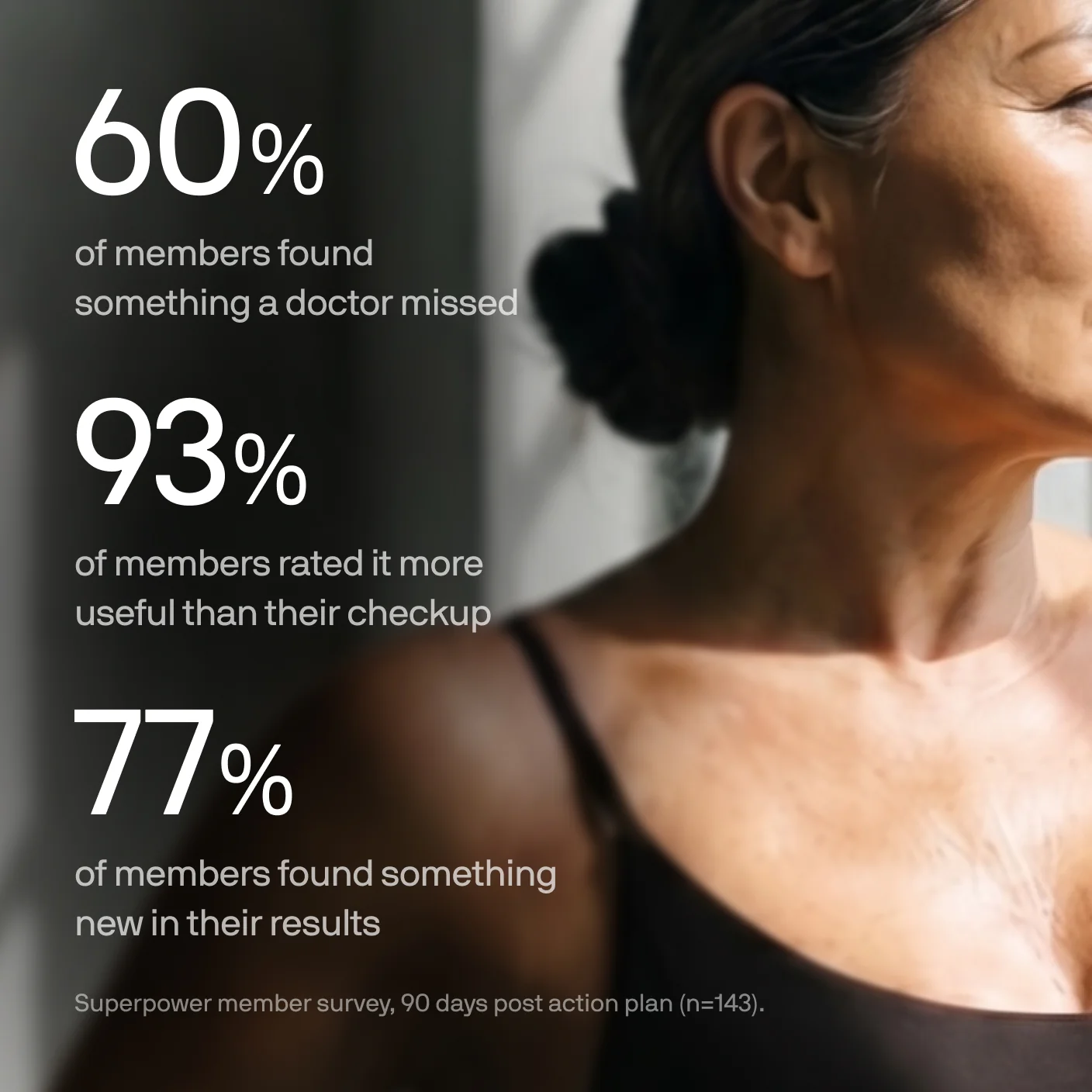
60%
found something a doctor missed
93%
rated it more useful than their checkup
77%
found something new in their results
Superpower member survey, 90 days post action plan (n=143).
How does the Superpower membership work?
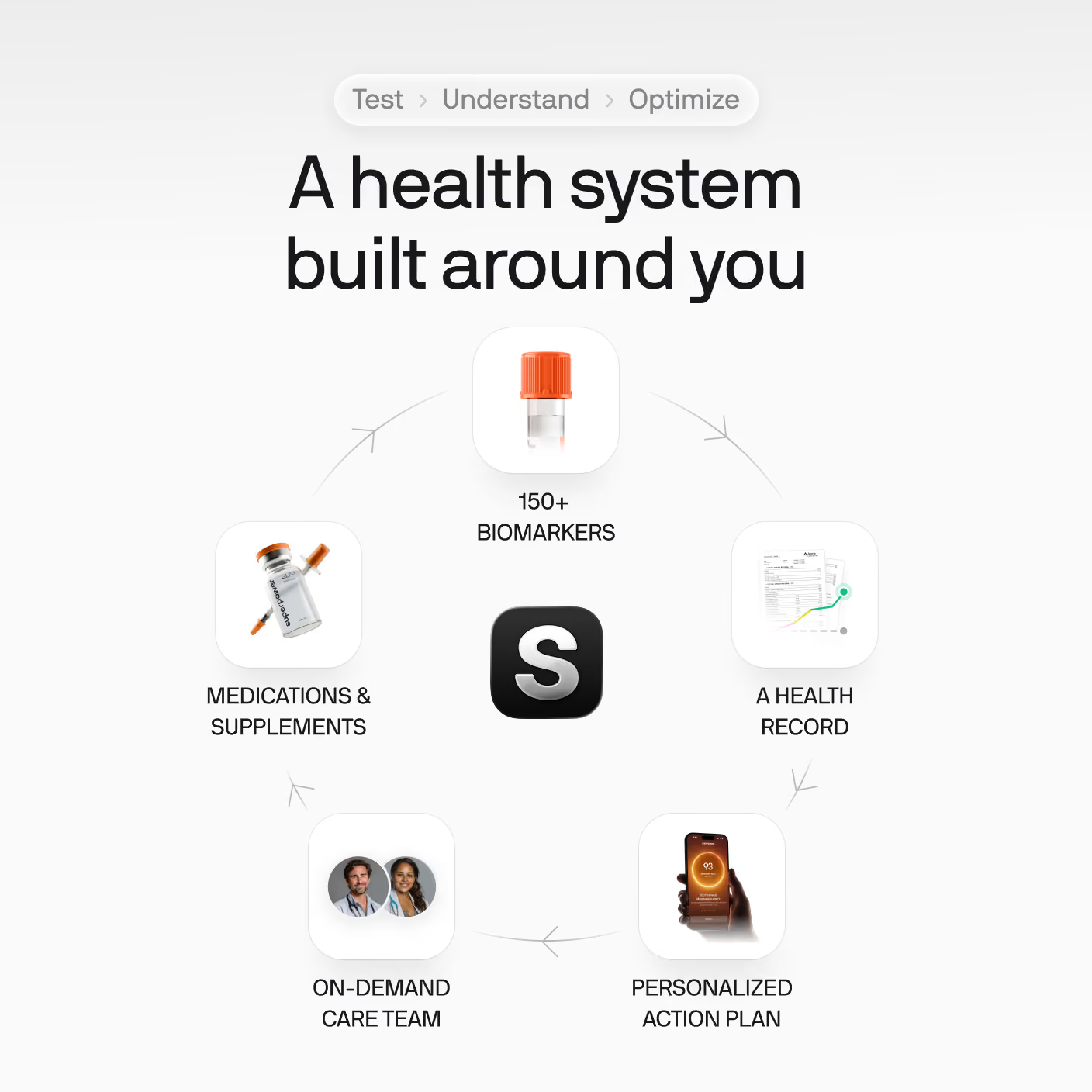
We test 150+ biomarkers annually across two blood draws. Your baseline test paints a comprehensive picture of your health, and your dashboard shows what’s working, what needs attention, and what to do next. Superpower AI and your care team help you take action across lifestyle, supplements, and treatments. Then we retest to track your progress and continue refining your plan.
Can I cancel anytime?
Yes. You can cancel anytime, no fees. Your membership stays active through the end of your paid year.
How often should I test?
Your membership includes two blood tests per year: one to establish your baseline, and one to see whether your plan improved biomarkers that were out of range or not yet optimized. You can add other diagnostics anytime through the app or with help from your care team.
When will I get my results?
Book your draw at any of 2,000+ partner labs or at-home. Results are typically ready in about a week and land in the Superpower app.
FAQ
A trained phlebotomist will draw your blood using a standard venipuncture technique. They'll apply a tourniquet, clean the area, and draw a small amount of blood — you'll feel a quick pinch. The whole process takes about 5-10 minutes. Results are typically ready in about a week.
Press on the site for a few minutes and keep the bandage on for 4-6 hours. Skip heavy lifting with that arm for the rest of the day. Stay hydrated and eat a snack if you feel lightheaded.
Your Superpower membership includes a 100+ biomarker baseline blood test, a 50+ biomarker retest, a personalized action plan, a health dashboard, a concierge care team, and access to the Superpower marketplace. After signing up, you can book your blood draw at any of 2,000+ Quest Diagnostics locations.
Superpower tests 150+ biomarkers a year via Quest Diagnostics labs: a 100+ biomarker baseline draw plus a 50+ biomarker retest. This covers hormones, heart health, metabolic health, inflammation, nutrients, immunity, and more.
No. Superpower complements your primary care provider by offering deeper testing and a personalized wellness plan. We encourage you to share your results with your doctor.
Results are typically ready in about one week. You'll be texted when your results are ready to view in the Superpower app.
Superpower is a preventive wellness service and does not bill insurance directly. However, your membership is HSA/FSA eligible. Our model focuses on proactive, preventive health rather than reactive sick care.
Yes! Your membership includes one annual comprehensive test. You can add extra tests anytime through the app or marketplace.
Superpower is available in 37+ US states through our network of 2,000+ Quest Diagnostics lab locations. You can find the nearest location in the app after signing up.



New member benefit
Claim your free retest
To claim, share what brings you here:

Results in 5-10 days

$0.96/day

HSA/FSA eligible
New member benefit
Register to reserve
First draw: the 60+ markers your checkup skipped. Retest in 3 to 6 months.
Please enter a valid email address
Results in 5-10 days
$0.96/day
HSA/FSA eligible

Superpower health membership

Results in 5-10 days

$0.82/ day

HSA/FSA eligible
6M+ biomarkers analyzed
Get my health baseline
Loading...6M+ biomarkers analyzed
Get my health baseline
Loading...
Results in 10 days or less

$0.82/ day
HSA/FSA eligible